
Best Cities for Starting a Food Truck in 2026
Over the past decade, the food truck industry has experienced a significant boom in the United States. Even when COVID restrictions caused a dip in office crowds and foot traffic, many food trucks stayed open thanks to lower operating costs and setups suited for social distancing.
Years later, food trucks are everywhere across U.S. cities — in office parks, outside gas stations, and even catering private events like weddings. But which cities are the most food truck-friendly?
Food Liability Insurance Program (FLIP) analyzed data from the top 200 metropolitan statistical areas by population to find the best cities for food trucks in 2026. Discover which cities have the best food truck scene and why, from their walkability to average weekly wage!
Key Findings


*Walkability score comes from WalkScore.com.
**Interest for “food trucks near me” comes from Semrush with data points from August 1, 2024 to August 1, 2025. Search interest reflects the average number of searches made monthly in each city.
***Average Adjusted Weekly Wage and Employment Location Quotient (ELQ)† come from Metropolitan Statistical Area (MSA) data from the U.S. Bureau of Labor Statistics. A higher ELQ reflects a higher concentration of mobile food business jobs compared to the national average.
††Recreation GDP comes from the Bureau of Economic Analysis (BEA).

The Best Cities for Food Trucks: Ranked
Here are FLIP’s top 200 cities for starting a food truck, ranked from top-tier to notable contenders.
| Overall Rank | City | Walkability | Job Location Quotient | Avg Weekly Wage | Food Truck Searches | Recreation GDP Growth % |
|---|---|---|---|---|---|---|
| 0 | New York, NY | 88 | 0.54 | 785.08 | 1600 | 16.6 |
| 0 | Austin, TX | 42 | 2.54 | 625.9 | 2400 | 17.7 |
| 0 | Los Angeles, CA | 69 | 0.8 | 584.64 | 1300 | 17.65 |
| 0 | Miami, FL | 77 | 0.9 | 741.34 | 880 | 16.95 |
| 0 | Houston, TX | 47 | 0.66 | 464.98 | 1900 | 14 |
| 0 | Washington, DC | 77 | 0.62 | 531.11 | 260 | 19.85 |
| 0 | Honolulu, HI | 66 | 3.39 | 479.84 | 720 | 24.45 |
| 0 | Boston, MA | 83 | 0.28 | 537.76 | 110 | 18.8 |
| 0 | Philadelphia, PA | 75 | 0.9 | 475.15 | 590 | 18.1 |
| 0 | Denver, CO | 61 | 1.54 | 657.88 | 390 | 20.2 |
| 0 | Seattle, WA | 74 | 1.46 | 508.01 | 590 | 17.5 |
| 0 | Chicago, IL | 77 | 0.53 | 489.48 | 260 | 18.15 |
| 0 | Orlando, FL | 41 | 1.19 | 590.45 | 720 | 21.05 |
| 0 | Bridgeport, CT | 66 | 1 | 681.64 | 30 | 19.45 |
| 0 | Portland, OR | 67 | 2.79 | 531.82 | 1000 | 15.5 |
| 0 | San Jose, CA | 51 | 0.91 | 666.27 | 320 | 18.65 |
| 0 | Springfield, MA | 58 | 0.08 | 822.99 | 70 | 15 |
| 0 | Spokane, WA | 49 | 0.42 | 970.99 | 20 | 14.95 |
| 0 | San Antonio, TX | 37 | 1.49 | 530.26 | 1000 | 17.05 |
| 0 | Minneapolis, MN | 71 | 0.72 | 399.97 | 210 | 16.7 |
| 0 | Detroit, MI | 51 | 0.62 | 456.09 | 480 | 17.4 |
| 0 | Atlanta, GA | 48 | 0.4 | 457.73 | 170 | 20.55 |
| 0 | San Diego, CA | 53 | 1.35 | 574.04 | 210 | 18.95 |
| 0 | Albany, NY | 65 | 0.18 | 660.98 | 20 | 13.9 |
| 0 | Atlantic City, NJ | 74 | 0.71 | 535.14 | 0 | 15.3 |
| 0 | Trenton, NJ | 68 | 0.15 | 264.52 | 20 | 19.75 |
| 0 | Salt Lake City, UT | 59 | 1.71 | 670.1 | 90 | 17.15 |
| 0 | Tampa, FL | 50 | 1.26 | 517.24 | 590 | 15.5 |
| 0 | Kalamazoo, MI | 47 | 0.19 | 668.23 | 10 | 17 |
| 0 | Hartford, CT | 67 | 0.6 | 483.58 | 70 | 15.8 |
| 0 | Portland, ME | 62 | 1.62 | 650.6 | 30 | 16.65 |
| 0 | Lancaster, PA | 81 | 1.14 | 288.67 | 30 | 17 |
| 0 | Albuquerque, NM | 43 | 0.93 | 467.95 | 210 | 20.4 |
| 0 | Providence, RI | 76 | 1.13 | 461.03 | 70 | 14.3 |
| 0 | Baltimore, MD | 64 | 1.04 | 478.22 | 210 | 15.15 |
| 0 | Grand Rapids, MI | 56 | 0.46 | 383.45 | 40 | 19 |
| 0 | Omaha, NE | 48 | 0.82 | 433.42 | 110 | 20 |
| 0 | Oxnard, CA | 57 | 1.24 | 433.59 | 40 | 19.5 |
| 0 | Greenville, SC | 43 | 0.71 | 615.45 | 40 | 18.45 |
| 0 | Pittsburgh, PA | 62 | 0.67 | 388.6 | 70 | 17.55 |
| 0 | Las Vegas, NV | 42 | 1.14 | 487.67 | 210 | 20.1 |
| 0 | Allentown, PA | 67 | 0.67 | 392.11 | 70 | 15.5 |
| 0 | Milwaukee, WI | 62 | 1.15 | 394.62 | 170 | 16.6 |
| 0 | Dallas, TX | 46 | 0.49 | 555.7 | 320 | 14.5 |
| 0 | New Orleans, LA | 58 | 0.76 | 439.95 | 90 | 16.5 |
| 0 | Reading, PA | 72 | 0.38 | 373.88 | 30 | 14.05 |
| 0 | Phoenix, AZ | 41 | 0.98 | 482.35 | 260 | 18.35 |
| 0 | Buffalo, NY | 67 | 0.78 | 470.37 | 40 | 13.85 |
| 0 | Salinas, CA | 55 | 1.42 | 543.42 | 30 | 16.85 |
| 0 | Worcester, MA | 56 | 0.58 | 410.72 | 20 | 16.95 |
| 0 | Bremerton, WA | 51 | 1.09 | 624.88 | 10 | 15.45 |
| 0 | York, PA | 71 | 0.56 | 236.96 | 20 | 16.15 |
| 0 | Lansing, MI | 46 | 0.34 | 530.99 | 30 | 16.3 |
| 0 | El Paso, TX | 40 | 0.63 | 484.26 | 320 | 16.2 |
| 0 | Memphis, TN | 35 | 0.46 | 431.69 | 170 | 19.25 |
| 0 | Manchester, NH | 51 | 1.26 | 509.16 | 20 | 17.35 |
| 0 | Santa Cruz, CA | 63 | 1.41 | 612.84 | 20 | 13.1 |
| 0 | Madison, WI | 50 | 0.42 | 602.38 | 30 | 13.75 |
| 0 | Santa Maria, CA | 52 | 0.88 | 691.7 | 30 | 12.7 |
| 0 | Burlington, VT | 59 | 1.55 | 483.81 | 0 | 16.2 |
| 0 | Boulder, CO | 56 | 1.43 | 483.72 | 30 | 15.9 |
| 0 | Jacksonville, FL | 26 | 0.85 | 481.78 | 480 | 17.15 |
| 0 | Cincinnati, OH | 49 | 1.45 | 729 | 140 | 12.2 |
| 0 | Richmond, VA | 51 | 1.17 | 539.86 | 90 | 14.6 |
| 0 | Savannah, GA | 44 | 0.23 | 382.97 | 40 | 17.1 |
| 0 | Charleston, SC | 40 | 1.01 | 533.59 | 90 | 16.55 |
| 0 | Sacramento, CA | 49 | 0.89 | 409.6 | 110 | 15.9 |
| 0 | Nashville, TN | 29 | 1.95 | 445.45 | 210 | 21.2 |
| 0 | New Haven, CT | 68 | 1.05 | 624.14 | 50 | 8.6 |
| 0 | Lincoln, NE | 44 | 0.78 | 382.82 | 20 | 17.75 |
| 0 | Brownsville, TX | 35 | 0.52 | 597.54 | 20 | 15.45 |
| 0 | St. Louis, MO | 66 | 2.67 | 449.58 | 70 | 14.7 |
| 0 | Cleveland, OH | 57 | 1.07 | 495.46 | 110 | 12.15 |
| 0 | Rockford, IL | 41 | 0.25 | 295.34 | 30 | 18.1 |
| 0 | Lakeland, FL | 35 | 1.98 | 570.99 | 90 | 17.75 |
| 0 | Rochester, MN | 30 | 0.45 | 571.34 | 30 | 16.15 |
| 0 | Kansas City, MO | 35 | 0.8 | 539.32 | 170 | 14.9 |
| 0 | Riverside, CA | 43 | 0.69 | 482.72 | 50 | 14.9 |
| 0 | Harrisburg, PA | 68 | 1.22 | 342.92 | 50 | 12.45 |
| 0 | Scranton, PA | 58 | 0.67 | 254.93 | 20 | 15 |
| 0 | Colorado Springs, CO | 36 | 1.09 | 357.25 | 110 | 18.35 |
| 0 | Chattanooga, TN | 29 | 1.86 | 576.55 | 50 | 18.3 |
| 0 | Syracuse, NY | 57 | 1.31 | 431.84 | 30 | 13.3 |
| 0 | Naples, FL | 35 | 1.25 | 578.39 | 50 | 15.55 |
| 0 | Tulsa, OK | 39 | 0.38 | 587.87 | 140 | 11.65 |
| 0 | Louisville, KY | 34 | 0.94 | 398.86 | 140 | 17.2 |
| 0 | Erie, PA | 60 | 1.2 | 444.73 | 10 | 12.1 |
| 0 | San Francisco, CA | 89 | 1.08 | 565.87 | 210 | 0.7 |
| 0 | Virginia Beach, VA | 33 | 0.69 | 531.02 | 50 | 15 |
| 0 | Modesto, CA | 48 | 1.48 | 496.37 | 40 | 13.85 |
| 0 | Yakima, WA | 49 | 1.59 | 582.61 | 20 | 12.35 |
| 0 | Myrtle Beach, SC | 43 | 1.02 | 406.17 | 30 | 15.35 |
| 0 | Charlotte, NC | 26 | 0.88 | 383.59 | 590 | 13.45 |
| 0 | Winston-Salem, NC | 22 | 0.09 | 573.27 | 90 | 14.35 |
| 0 | Salem, OR | 42 | 1.53 | 390.59 | 90 | 15.9 |
| 0 | Vallejo, CA | 46 | 0.83 | 513.74 | 20 | 12 |
| 0 | Lexington, KY | 34 | 1.66 | 497.26 | 50 | 16.55 |
| 0 | Akron, OH | 48 | 0.88 | 373.81 | 30 | 13.9 |
| 0 | Olympia, WA | 39 | 2.83 | 526.87 | 90 | 16.9 |
| 0 | Merced, CA | 42 | 1.07 | 451.18 | 20 | 14.4 |
| 0 | Columbus, OH | 41 | 1.64 | 535.36 | 480 | 9.85 |
| 0 | Santa Rosa, CA | 47 | 1.2 | 467.82 | 30 | 13.05 |
| 0 | Bakersfield, CA | 37 | 1.16 | 545.74 | 70 | 13.5 |
| 0 | Rochester, NY | 61 | 3.73 | 587.71 | 20 | 13 |
| 0 | Beaumont, TX | 31 | 1.58 | 520.84 | 30 | 16.3 |
| 0 | Fort Collins, CO | 37 | 1.83 | 399.51 | 40 | 17.4 |
| 0 | South Bend, IN | 42 | 1.77 | 527.27 | 10 | 14 |
| 0 | San Luis Obispo, CA | 56 | 2.49 | 492.7 | 10 | 12.9 |
| 0 | Knoxville, TN | 31 | 1.53 | 339.54 | 90 | 18.35 |
| 0 | Norwich, CT | 33 | 0.44 | 445.13 | 10 | 14.5 |
| 0 | Tyler, TX | 35 | 0.81 | 500.08 | 20 | 13.75 |
| 0 | Boise City, ID | 38 | 2.63 | 619.74 | 70 | 14.35 |
| 0 | Indianapolis, IN | 31 | 0.81 | 524.43 | 210 | 12.3 |
| 0 | Tucson, AZ | 43 | 1.4 | 378.39 | 110 | 14.25 |
| 0 | Fresno, CA | 47 | 1.42 | 433.7 | 90 | 12.55 |
| 0 | Visalia, CA | 39 | 0.49 | 381.97 | 10 | 14 |
| 0 | Champaign, IL | 52 | 1.63 | 351.22 | 30 | 13.75 |
| 0 | Greeley, CO | 39 | 2.22 | 407.35 | 20 | 17.15 |
| 0 | Canton, OH | 48 | 0.58 | 309.47 | 30 | 13.05 |
| 0 | Des Moines, IA | 45 | 1.3 | 351.83 | 70 | 14.05 |
| 0 | Stockton, CA | 44 | 1.35 | 471.98 | 70 | 12.3 |
| 0 | Montgomery, AL | 26 | 0.19 | 365.81 | 20 | 16.15 |
| 0 | Greensboro, NC | 29 | 0.46 | 405.7 | 110 | 14.45 |
| 0 | Wilmington, NC | 35 | 0.62 | 506.45 | 40 | 12.35 |
| 0 | Durham, NC | 30 | 1.46 | 438.75 | 140 | 15.35 |
| 0 | Springfield, MO | 39 | 1.5 | 519.76 | 70 | 12.6 |
| 0 | Augusta, GA | 22 | 0.21 | 371.31 | 20 | 16.8 |
| 0 | Corpus Christi, TX | 40 | 0.81 | 357.04 | 110 | 13.2 |
| 0 | Asheville, NC | 37 | 1.13 | 477.48 | 70 | 12.9 |
| 0 | Appleton, WI | 44 | 0.32 | 142.1 | 10 | 15.85 |
| 0 | Utica, NY | 54 | 0.19 | 292.65 | 0 | 10.75 |
| 0 | Bellingham, WA | 49 | 4.39 | 604 | 50 | 15.05 |
| 0 | Birmingham, AL | 33 | 1.58 | 477.48 | 110 | 14.25 |
| 0 | Davenport, IA | 44 | 0.7 | 342.76 | 10 | 13 |
| 0 | Ocala, FL | 27 | 1.53 | 418.82 | 90 | 16.6 |
| 0 | Oklahoma City, OK | 34 | 0.88 | 408.89 | 210 | 12.4 |
| 0 | Topeka, KS | 37 | 0.25 | 314.37 | 20 | 13.85 |
| 0 | Little Rock, AR | 33 | 1.62 | 477.03 | 140 | 13.65 |
| 0 | North Port, FL | 7 | 0.96 | 509.48 | 30 | 18.7 |
| 0 | Hagerstown, MD | 52 | 1.53 | 413.04 | 10 | 11.35 |
| 0 | Baton Rouge, LA | 39 | 0.17 | 361.23 | 90 | 11.4 |
| 0 | Lake Charles, LA | 37 | 0.22 | 166 | 10 | 15.9 |
| 0 | Tallahassee, FL | 30 | 1.22 | 293.87 | 90 | 16.65 |
| 0 | Toledo, OH | 46 | 0.76 | 345.31 | 50 | 11.4 |
| 0 | Ogden, UT | 44 | 1.42 | 282.77 | 20 | 14.65 |
| 0 | Dayton, OH | 45 | 1.98 | 413.92 | 50 | 13 |
| 0 | Youngstown, OH | 34 | 0.45 | 439.49 | 10 | 12.2 |
| 0 | Peoria, IL | 41 | 0.91 | 230.2 | 10 | 15.15 |
| 0 | McAllen, TX | 41 | 1.43 | 302.73 | 50 | 14.5 |
| 0 | Lafayette, IN | 38 | 1.44 | 404.27 | 20 | 13.5 |
| 0 | Fargo, ND | 45 | 1.02 | 445.14 | 10 | 10.35 |
| 0 | Flint, MI | 44 | 0.92 | 248.24 | 20 | 13.65 |
| 0 | Slidell, LA | 36 | 1.31 | 493.71 | 10 | 12.15 |
| 0 | Kiryas Joel, NY | 25 | 0.67 | 478.46 | 10 | 13.55 |
| 0 | Fayetteville, AR | 32 | 1.25 | 418.88 | 110 | 13.05 |
| 0 | Fort Wayne, IN | 32 | 0.51 | 325.63 | 30 | 13.85 |
| 0 | Prescott Valley, AZ | 16 | 0.59 | 649.3 | 0 | 12.45 |
| 0 | Gainesville, FL | 37 | 1.62 | 464.42 | 70 | 12.25 |
| 0 | Shreveport, LA | 31 | 0.52 | 374.16 | 20 | 13.25 |
| 0 | College Station, TX | 34 | 0.47 | 313.12 | 50 | 13.05 |
| 0 | Jackson, MS | 26 | 0.39 | 237.12 | 20 | 16.2 |
| 0 | Wichita, KS | 35 | 0.54 | 397.85 | 50 | 11.35 |
| 0 | Longview, TX | 28 | 0.66 | 303.11 | 10 | 14.85 |
| 0 | Provo, UT | 45 | 1.77 | 257.83 | 10 | 14 |
| 0 | Huntington, WV | 49 | 0.76 | 367.5 | 0 | 9.1 |
| 0 | Palm Bay, FL | 13 | 1.29 | 444.28 | 40 | 16.85 |
| 0 | Cedar Rapids, IA | 34 | 0.99 | 316.81 | 20 | 13.7 |
| 0 | Port St. Lucie, FL | 13 | 1.52 | 474.06 | 50 | 16.65 |
| 0 | Duluth, MN | 36 | 0.9 | 398.94 | 10 | 11.65 |
| 0 | Lafayette, LA | 42 | 0.44 | 201.13 | 30 | 12.45 |
| 0 | Deltona, FL | 16 | 1.26 | 418.26 | 50 | 16.3 |
| 0 | Amarillo, TX | 40 | 1.74 | 202.62 | 40 | 15.5 |
| 0 | Mobile, AL | 32 | 1.84 | 521.15 | 30 | 12.1 |
| 0 | Columbia, SC | 35 | 0.36 | 205.54 | 50 | 13.35 |
| 0 | Huntsville, AL | 24 | 1.04 | 344.29 | 70 | 14.75 |
| 0 | Kennewick, WA | 36 | 2.16 | 492.99 | 50 | 11.95 |
| 0 | Barnstable, MA | 24 | 0.2 | 379.91 | 0 | 12.7 |
| 0 | Waterbury, CT | 46 | 1.14 | 410.62 | 30 | 8.6 |
| 0 | Hickory, NC | 28 | 0.39 | 318.31 | 20 | 12.8 |
| 0 | Fort Smith, AR | 35 | 0.69 | 420.87 | 50 | 9.65 |
| 0 | Kingsport, TN | 25 | 0.65 | 371.39 | 10 | 12.95 |
| 0 | Anchorage, AK | 31 | 4.15 | 355.82 | 30 | 18.9 |
| 0 | Reno, NV | 40 | 0.69 | 443.31 | 50 | 7.45 |
| 0 | Waco, TX | 35 | 2.49 | 354.68 | 50 | 14 |
| 0 | Raleigh, NC | 31 | 1.78 | 430.66 | 320 | 9.35 |
| 0 | Cape Coral, FL | 17 | 1.18 | 512.85 | 70 | 11.9 |
| 0 | Hilton Head Island, SC | 13 | 0.44 | 290.63 | 30 | 15.45 |
| 0 | Killeen, TX | 30 | 2.46 | 384.7 | 110 | 13.3 |
| 0 | Pensacola, FL | 36 | 4.08 | 438.47 | 140 | 13.95 |
| 0 | Bend, OR | 32 | 6.7 | 579.34 | 210 | 17.3 |
| 0 | Lubbock, TX | 39 | 0.59 | 147.47 | 30 | 11.35 |
| 0 | Gulfport, MS | 23 | 1.1 | 358.16 | 10 | 12.3 |
| 0 | Clarksville,TN | 18 | 1.82 | 333.16 | 30 | 14.6 |
| 0 | Fayetteville, NC | 21 | 0.61 | 308.58 | 70 | 11.05 |
| 0 | Sioux Falls, SD | 38 | 4.18 | 543.86 | 20 | 9.4 |
| 0 | Crestview, FL | 18 | 3.33 | 568.43 | 20 | 11.7 |
| 0 | Eugene, OR | 46 | 4.44 | 418.43 | 170 | 8.4 |
| 0 | Spartanburg, SC | 29 | 0.3 | 322.13 | 30 | 3.3 |
| 0 | Las Cruces, NM | 34 | 1.51 | 357.03 | 70 | 2.95 |
| 0 | Lynchburg, VA | 29 | 5.24 | 245.89 | 20 | 14.1 |
While these are our official weighted scores, feel free to customize your rankings. Adjust the sliders in the table to change the weight of each variable to reflect what’s most important to you.
We carefully selected each variable in our study to account for walkability, search interest, earning potential adjusted for cost of living, market saturation, and industry growth. Together, they provide a holistic picture of each city’s food truck scene.
Each variable was weighted according to its importance in determining a good city to run a food truck.
Deep Dive Into the Best Cities for Starting a Food Truck
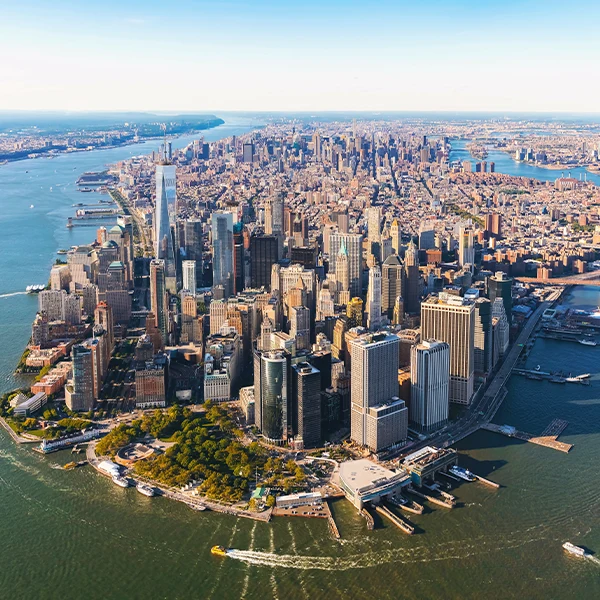
1. New York, NY
State of the Plate: While NYC boasts an outstanding walkability score and is ranked third for average monthly searches, the permitting process is a hang-up for many aspiring food truck entrepreneurs. The city issues a maximum of 445 mobile food vending permits per year, meaning many business owners find themselves on a waiting list for years.
Bite-Sized Insights: As the restaurant industry in Queens has struggled to return to pre-pandemic levels, food trucks have become more prominent in the dining scene. However, this has led traditional restaurant owners to push for stronger parking regulations that would create more distance between their storefronts and parked food trucks.
Despite a lengthy permitting process and friction with brick-and-mortar restaurants, NYC still tops our list. It’s ranked second for walkability, third in average monthly searches, and has a high adjusted weekly wage of $785.
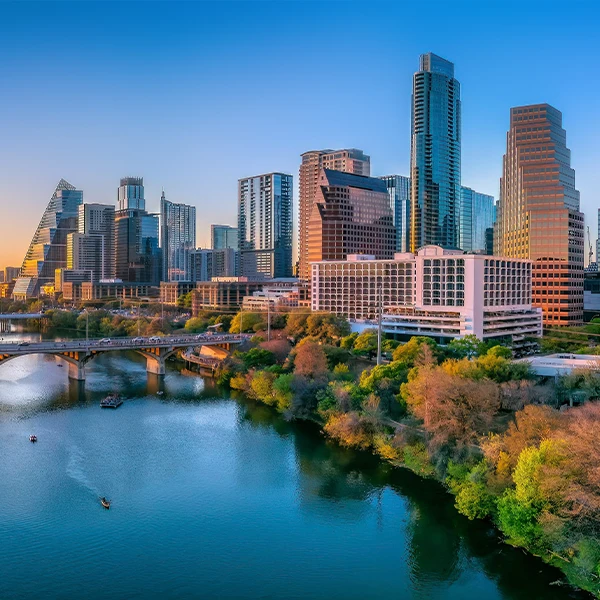
2. Austin, TX
State of the Plate: Austin isn’t just a renowned center for arts and culture in the U.S. — it has also been a hot spot for food trucks dating back to the 1990s. However, Austin ranks 99th on our list for walkability due to its urban sprawl. Despite this, the city’s enthusiastic food truck culture means people are more likely to seek out mobile food businesses.
Bite-Sized Insights: In June of 2025, the Austin City Council voted to create a permit food truck operators can purchase that would allow them to keep their truck open and running during a health inspection. Austin’s food truck community had complained for years that being forced to shut down their business and drive to a facility for an inspection was taking a financial toll, and the city listened.
Austin may rank 99th for walkability, but the city’s decades-long love for food trucks and a responsive city government make it a haven for aspiring entrepreneurs in this space.

3. Los Angeles, CA
State of the Plate: LA is home to over 4,000 food trucks, making the mobile food market highly saturated compared to others on our list. However, the city makes it relatively easy to open a truck by creating comprehensive resources. This includes its mobile food vendor checklist, which walks entrepreneurs through the process from start to finish.
Bite-Sized Insights: With LA experiencing more intense and frequent heatwaves, there is a growing concern for the safety of food truck workers. Poor ventilation, long hours with no breaks, and heat from appliances in an enclosed space are risk factors food truck operators need to manage and mitigate to protect themselves and their employees.
While the LA food truck market is one of the most saturated on our list, with 4,000 trucks across the city, the city government offers support via helpful resources. They offer checklists to make opening a truck easier than in other cities.
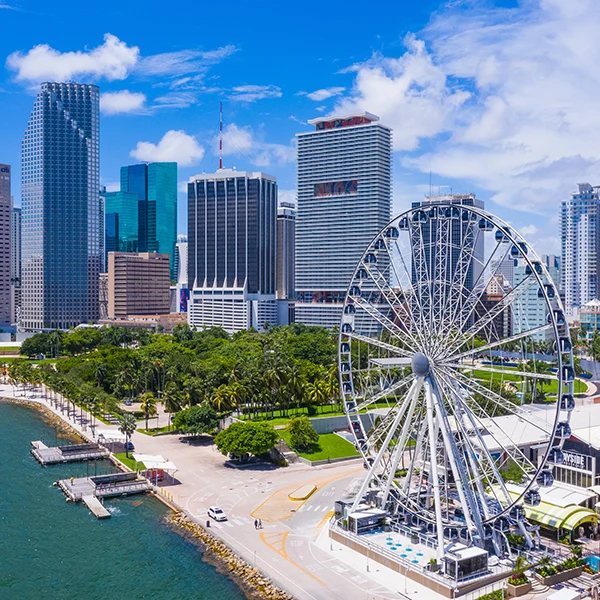
4. Miami, FL
State of the Plate: Thanks to year-round warm weather, Miami food trucks enjoy a relatively steady stream of foot traffic and year-round events compared to other cities. You can find a rally happening most days of the week, hosted by Miami Food Trucks Events.
Bite-Sized Insights: In 2023, Miami passed Ordinance 13796, which instituted critical regulations for food trucks, including parking and spacing requirements when operating near other businesses. It also established fines and other penalties for failure to comply. This ordinance enhanced the professionalism and predictability of Miami food truck operations.
A thriving event culture and crucial safety and operational regulations from Ordinance 13796 make Miami a profitable and practical spot for aspiring food truck entrepreneurs.

5. Houston, TX
State of the Plate: Houston ranks second on our list in average monthly searches, with 1,900 searches for “food trucks near me. ” This reflects a strong consumer interest in patronizing food trucks for reasons beyond proximity and convenience. However, this also means food truck businesses need a strong search engine optimization (SEO) marketing strategy to stand out online.
Bite-Sized Insights: The Houston Health Department has recently urged the city council to pass an ordinance regulating food truck parks due to increasing safety concerns. This ordinance would set requirements that food truck parks must follow, from restroom access to adequate spacing between parked trucks.
Consumer interest for food trucks in Houston is high, with 1,900 average monthly searches for “food trucks near me.” However, regulations appear to be playing catch-up, with the health department pushing for more safety guidelines.
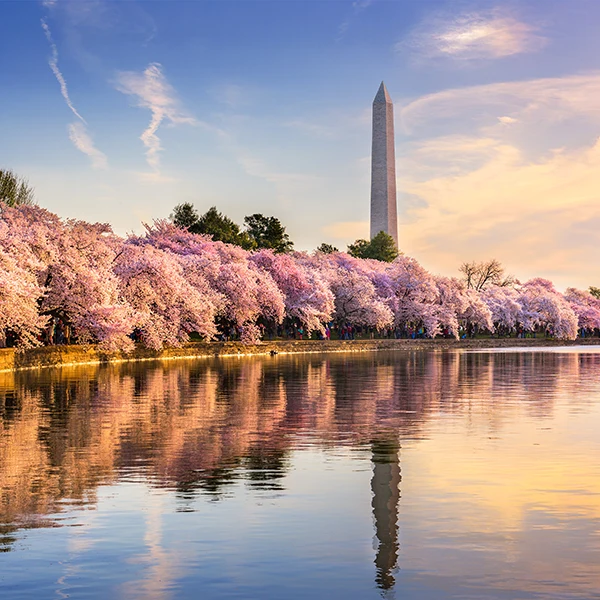
6. Washington, D.C.
State of the Plate: Much of D.C.’s food truck boom can be traced back to 2013, when the D.C. Council passed regulations that standardized licensing requirements. The regulations also created designated vending zones for mobile food businesses.
While businesses struggled to attract customers during the height of the pandemic, the D.C. food truck industry is back on the rise with 19.85% recreation GDP growth.
Bite-Sized Insights: In 2025, there was a documented issue with unlicensed food trucks operating in tourist areas throughout D.C. It’s critical to get the proper license and permits to operate a food truck, as investigators patrol these high-traffic areas like the National Mall looking for unlicensed trucks to fine.
Post-pandemic, the D.C. food truck scene is looking brighter with 19.85% recreation GDP growth. However, increased oversight from investigators means business owners should be careful not to cut corners in the licensing process, or else face fines and shutdowns.

7. Honolulu, HI
State of the Plate: Honolulu tops our list for recreation GDP growth at 24.45%, demonstrating a strong, thriving food service economy — a solid foundation on which to build a food truck business.
Bite-Sized Insights: The Ohana Hale Food Truck Park is a beloved culinary hotspot in the heart of Waikiki that features over 25 food trucks seven days a week. From beloved Hawaiian flavors like poke bowls to Texas-style BBQ, there’s something for everyone.
Honolulu’s 24.45% YOY recreation GDP growth and designated food truck park indicate a growing, welcoming landscape for mobile food businesses.
8. Boston, MA
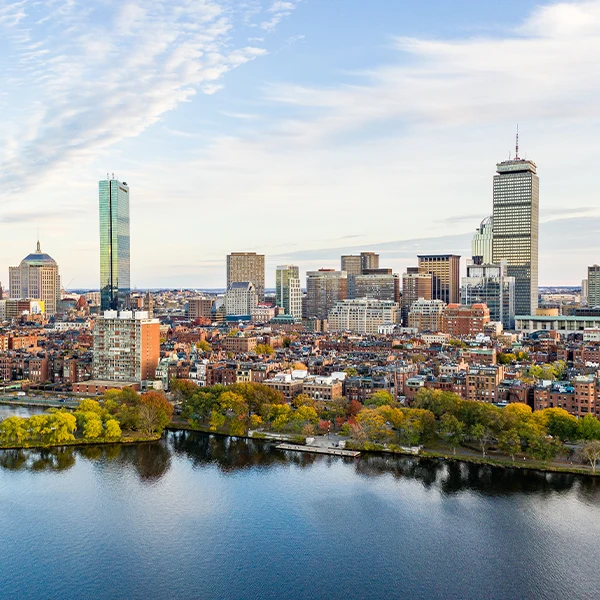
State of the Plate: Out of all the cities in our top 10 list, Boston ranks the best for ELQ at #3, meaning the market isn’t saturated with food trucks. This can make it easier for an entrepreneur to break into the Boston scene, with approximately 95 registered food trucks citywide.
Bite-Sized Insights: Boston food trucks can now enter a lottery to win a spot in the city’s exclusive Late Night Food Truck Program. The 11 businesses currently participating in the program are permitted to operate until 3:00 am in areas with higher nighttime traffic, like hospitals, concert venues, and universities.
With roughly 95 registered food trucks and an exclusive nighttime vending program, Boston avoids an oversaturated market while celebrating and uplifting mobile food businesses.
9. Philadelphia, PA
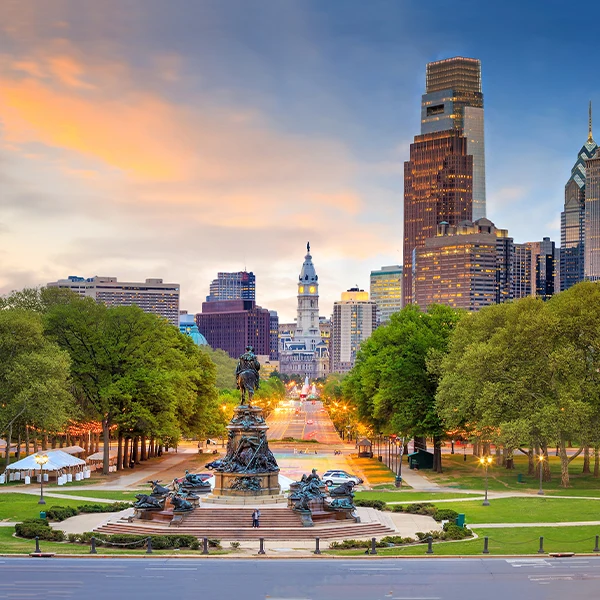
State of the Plate: Food trucks are everywhere in Philadelphia — from the grand opening of FDR Park’s Gateway Plaza to the steps of the Philadelphia Museum of Art. With a walkability score of 75 (#9 overall on our list), the city makes it easy to find unique, fast-casual eats on the go.
Bite-Sized Insights:
Despite ongoing disagreements over curfew and parking enforcement throughout Philadelphia, food truck operators parking on Drexel University’s campus had a big win in May of 2025.
After being told they could not park their trucks overnight on campus, many business owners complained to the city council that losing their spot could mean losing their business for the day.
The Philadelphia City Council voted unanimously to allow overnight parking at the university, demonstrating a local government willing to act on the concerns of mobile food vendors.
Ranked #9 on our list for walkability, Philadelphia food trucks can be found and easily accessed all over the city. While parking regulations are in flux, the city council appears willing to modify and adjust rules following feedback from business owners.
10. Denver, CO
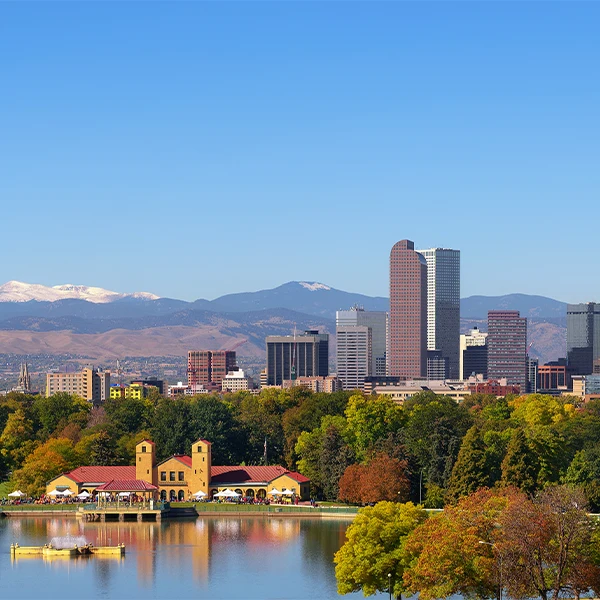
State of the Plate: While the Denver food truck industry initially struggled to bounce back to pre-pandemic levels, it appears to be thriving in 2026. By May of last year, the city had issued 716 licenses — a 31% increase compared to 2024.
Bite-Sized Insights: Colorado recently passed HB25-1295, which defines what a “mobile food establishment” is. This law also makes it so that Denver’s health permit is valid throughout Colorado, and the Colorado health permit is valid in Denver. This law, effective January 1, 2026, makes it easier for food trucks to operate across various cities and counties.
Denver’s food truck scene is thriving, with 31% more licenses issued in 2025 versus the previous year. With a new law set to streamline previously clunky health permitting processes, the Mile High City is one to watch in the food truck scene.
The Inside Scoop: What Experts Are Saying About Starting a Food Truck
We asked three experts to get their insights for starting a food truck in the U.S., and they delivered.
What can cities do to better support food trucks?
“I launched Valentina’s Pizzeria as a food truck right before COVID hit, and the food truck scene was really getting off the ground. I had to get a different permit whenever I took the food truck to a different city or county. There is a lot more flexibility for us now that the food truck scene has been around for a while.
But there are still things cities can do for us, like help by streamlining permits, creating clear rules, and designating spaces for trucks on streets, parking lots, and business parks. Providing infrastructure like waste disposal and safe parking also goes a long way as well.”
“Cities can create legislation that does not cause unnecessary and onerous rules for mobile food vendors. While requiring a health permit is necessary, requiring that a mobile vendor change location more than once every few hours is egregious. Cities can also convert empty warehouse space to shared commissaries for food truck operators, thereby making it easier for new entrepreneurs to get started while generating a stream of revenue for themselves.”
“It’s not just about cities — food truck regulations often involve multiple jurisdictions: city, county, state, and sometimes overlapping health departments. Currently, permitting and compliance can vary drastically just by crossing city lines, making it unnecessarily complicated for mobile vendors.
A more streamlined regulatory framework would make a huge difference. Ideally, we’d see either federal guidance or at least statewide standardization on health permitting and operational requirements. That way, what’s permissible for a truck in one city wouldn’t change just because you drive 10 miles down the road.
This may sound like common sense, but the mobile food industry is still pretty archaic when it comes to regulatory structure. Creating clear, uniform standards would encourage more operators to enter the space, reduce costs, and help cities benefit from more small business activity.”
If you could give one piece of advice to someone starting a food truck today, what would it be?
“Be ready to work — a lot. This is a full-time business that can easily require 60+ hour workweeks, especially in the first year.
That first year is all about grinding, learning, and adapting. You’ll figure out what works for your business, what doesn’t, and what lane you want to lean into — whether that’s private catering, corporate events, street service, or pop-ups. The most successful operators are the ones who treat it like a business, not a hobby. Get your systems right early, learn your numbers, and build a calendar strategy.”
“Don’t just focus on the food — treat it like a business. Know your numbers, build a brand, and be consistent. Get ready for obstacles. You’re going to go to places where you expect people to show up, but you can’t control the outcome. If an event coordinator tells you there will be 1,000 people at an event, expect only 20% of that. Anything could happen.”
How do local attitudes and community culture influence a food truck’s success?
“Communities that embrace local business, diversity, and outdoor experiences usually create the best environment for trucks to succeed. Building trust with the community is key, and still, we don’t expect them to come to us. We go to them, and we’re ready to pivot off of things that come up.
For example, we were at an event where the building right behind us was being power-washed. Not many folks came out that day. We made $400, and yet we still know the community is behind us and we’ll come back out for the next event.”
“Community is everything in this industry. Most food trucks are small businesses, often run by immigrants, local entrepreneurs, and culinary creatives. A supportive community can make or break a food truck — they drive sales, visibility, and word-of-mouth marketing.
I always recommend that operators immerse themselves in community events, meet local leaders, and show up consistently. When the community supports the truck, the truck gives back, and it becomes part of the local culture. That relationship is what sustains many operators long-term.”
“It is vitally important to know your market. From a culinary standpoint, the average consumer is not adventurous. You may have great creative ideas and execute them well, but you should also offer proven crowd pleasers. Embrace your local customs for the best chance to thrive.”
What unique obstacles do food trucks face compared to brick-and-mortar restaurants in the same city?
“No two cities are the same, and local food truck policy informs a lot of the answer to this question. In terms of universal challenges food truck owners face relative to their brick-and-mortar counterparts, a lack of seating, the absence of climate control, and limited storage space are chief among them.”
“Weather, limited space, maintenance issues, and the constant challenge of finding reliable spots to serve are all unique to food trucks. I had an experience recently where we went out to an event with our food truck, and didn’t bring a backup gas tank. The generator was on, but it wasn’t filled, so without the reserve tanks, we had to cut our event short.
That’s never a good feeling. I hate letting people down. Food truck owners need a checklist and then someone to double-check that list, and even a third pair of eyes on it.”
“The biggest challenge is the stability of revenue and scheduling. Unlike a restaurant that can count on foot traffic or repeat diners, food trucks need to constantly book events, caterings, or pop-ups to keep the calendar full.
Street service can help fill the gaps, but it’s not as reliable as private events. On top of that, your work isn’t over when the service ends. You still have clean-up, commissary stopes, restocking, maintenance, and prep for the next day. That can turn an 8-hour day into a 12+ hour workday.
And then there’s the operational layer — permitting, health inspections, generator maintenance, staffing, weather… things that brick-and-mortar operations rarely face in the same way.”
What excites you the most about the future of food trucks?
“The innovation happening in this space is incredible. We’re starting to see automated robotic kitchens, EV-powered food trucks, smart prep systems, and much more sustainable and efficient builds.
But beyond the technology, what excites me the most is the shift in culture. People are craving real, live, human experiences, not just digital interactions. Mobile food is perfectly positioned to meet that need, whether it’s through events, festivals, brand activations, or local community gatherings.
The future of food trucks isn’t just about food, it’s about experiences, accessibility, and community-building on wheels.”
“The creativity. Trucks are testing grounds for new food concepts, partnerships, and technology that connect customers more easily. The industry is evolving in exciting ways.
I started Valentina’s as a food truck, and after we had some success with brick-and-mortar, I couldn’t wait to get another food truck and hit the road again. People were asking for it, too. We love catering weddings and business events. And what’s better than a freshly-made pizza in the middle of a celebration?”
“Twenty years ago, I wondered if food trucks would be a fad. However, data suggests that they are here to stay. I love that food trucks can easily go to a place where people are congregated when they would otherwise be without food, as well as the fact that food trucks are a lower-cost option for people who aspire to own a business in the service industry.”
Considerations for Food Truck Owners

Licensing and Permitting Costs
The licenses and permits needed to legally operate a food truck vary from state to state and even city to city. This can create drastic differences between how much a food truck business owner needs to budget for acquiring and maintaining their necessary licenses.
According to Square, the initial cost of permits and licenses can range from $1,864 to $28,276. The U.S. Chamber of Commerce Foundation found that Boston — one of our top cities — requires $17,066 in licensing fees, most of which go to zoning permits.
This wide range means food truck operators must check with the local and state governments of the area they want to operate in and confirm the expenses they should expect, including annual renewal fees.

Commissary Kitchen Requirements
Many cities — including all of the above in our top 10 — require food truck businesses to have an agreement with a licensed commissary or commercial kitchen. Rules vary, but food trucks are generally required to park at the commissary after hours, use the commissary’s facility to clean utensils and cooking equipment, and store food outside of business hours.
Sometimes, food trucks can be exempt from a commissary agreement because they are considered self-contained, meaning they have the necessary equipment within the truck to meet the health department’s standards. This is not always the case, so navigating commercial kitchen requirements is another critical step for aspiring food truck entrepreneurs.

Food Truck Liability Insurance
Operating a food truck without liability insurance is a recipe for disaster. Food truck business owners face countless risks, from customers getting food poisoning to slip-and-fall accidents around the truck.
In fact, data from our policyholders shows the average food truck insurance claim is a whopping $6,271 — a surprise expense that would be hard to swallow for most small to mid-sized businesses.
Learn more about food truck insurance from FLIP and how it shields businesses from the financial burden of risks, so they can continue operating despite any bumps in the road.
Methodology and Sources
Walkability Score (20%)
We included each city’s walkability rating according to Walk Score in our composite because walkable cities are more hospitable for foot traffic, which food trucks benefit from.
Walk Score ranks a city’s walkability by calculating the walk score of nearly every city block, generating a grid of latitude and longitude data points approximately 500 feet apart. These data points are then weighted by population density to determine the city’s overall walkability.
Source: Walk Score
Average Monthly Searches for “food trucks near me” (25%)
Using Semrush data, we identified the average monthly search volume for “food trucks near me” across each major metropolitan area we reviewed. A higher search volume reflects stronger local interest in food trucks, which is why this is one of the heavier variables in our report.
We narrowed our search from August 1, 2024 through August 1, 2025 across all 200 cities included on our list.
Source: Semrush
Average Weekly Wage Adjusted for Cost of Living (15%)
Because expenses like groceries, utilities, and rent vary widely between cities, we created this data point to balance those costs with average weekly wages. A food truck employee might make more money in New York, but would face a much higher cost of living than in most other cities on our list.
We chose to include this variable because the earning potential of an employee is typically a reflection of how much revenue the business itself generates.
Data was collected from the Bureau of Labor Statistics (BLS) from 2023 and 2024 annual average surveys. Where metropolitan statistical area (MSA) data was unavailable, we used data from the nearest county in its place. Afterward, this data was adjusted using regional pricing parities to factor in costs such as rent and utilities in each area.
The BLS does not include exact data for food trucks. For our research purposes, we used data for businesses that the North American Industry Classification System (NAICS) considers mobile food services. The BLS classifies mobile food businesses as most closely aligned with food trucks.
Source: Bureau of Labor Statistics’ employment and wages data viewer and NAICS code description of mobile food services
Employment Location Quotient (ELQ) (15%)
The BLS defines a location quotient as a ratio comparing the concentration of an industry in a designated area to the nationwide concentration of that industry. For our purposes, we used the ELQ to compare mobile food industry jobs in each of the top 200 cities with the national average.
If a city has a high ELQ, this indicates a high concentration of food truck employees compared with the rest of the U.S., which could signify a more saturated market. As a result, we ranked cities with lower ELQs higher because a lower concentration indicates less competition.
We collected employment data from the BLS’s 2023 and 2024 annual average surveys. Because the BLS does not have data exclusive to food trucks, we used data for mobile food businesses.
Source: Bureau of Labor Statistics’ employment and wages data viewer and BLS classification of food trucks as mobile food businesses
Recreation GDP Growth (25%)
We used data compiled by the Bureau of Economic Analysis (BEA) on each metropolitan area’s GDP growth for arts, entertainment, recreation, accommodation, and food services for 2022 and 2023, averaged together.
The unit of measurement used is percent change from the preceding period. We refer to this change as recreation GDP growth for each metropolitan statistical area.
Recreation GDP growth is an indicator of the economic outlook for food services in each city. A higher percentage reflects better growth opportunities for food trucks than a lower percentage.
Data from 2021 was not used due to abnormal growth from the COVID pandemic recovery period, and the BEA had not yet released data from 2024 at the time of our research. If no data was available for a specific metropolitan statistical area, data from the nearest county was used in its place.
Source: Bureau of Economic Analysis regional data for GDP and personal income
Acknowledgments
Special thanks to the food truck industry experts who provided their valuable insights to this piece: Joe Carlucci of Valentina’s Pizzeria, Tim Tobitsch of Food Truck Insight, and Tyler Kalin of Roaming Hunger.