
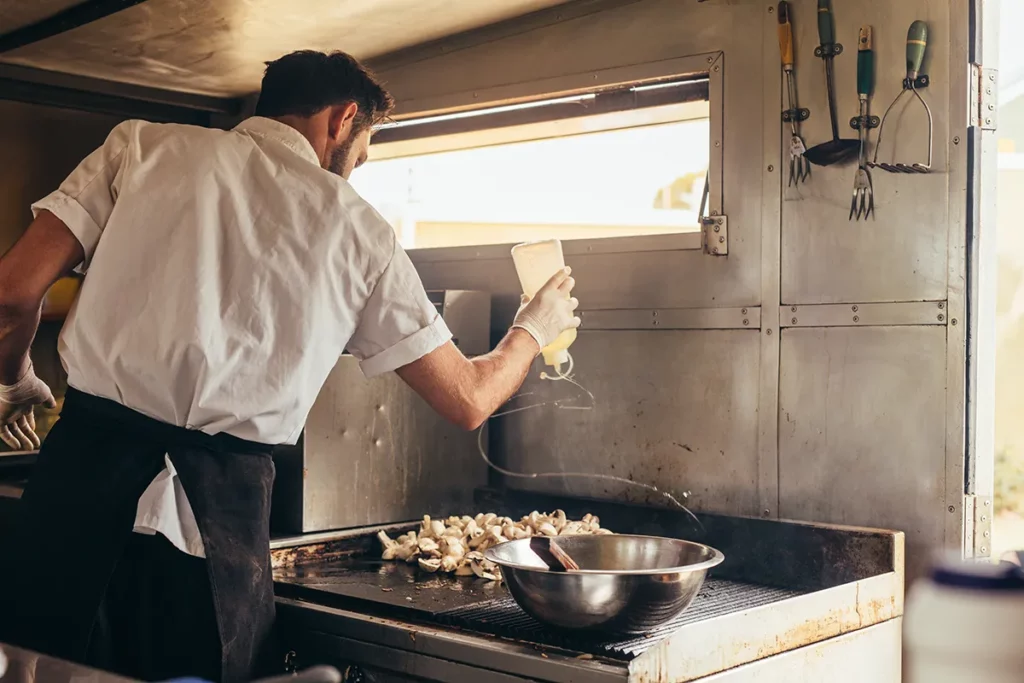
From scrolling online stores to searching message boards and Facebook groups, you’ve probably spent hours trying to get a good grasp of what gear you need for your food truck.
If you’re tired of trying to piece together tidbits of internet advice and hoping for the best, you’ve come to the right place.
Our guide covers the most essential food truck equipment without all of the noise, so you can spend less time searching and more time getting your business up and running.
Why Choosing the Right Food Truck Equipment Matters
Getting the right food truck equipment is just as important as choosing the best vehicle to fit your needs, or even getting all the required food truck licenses.
Your equipment is key to your success. You need dependable gear in good working order to serve customers efficiently and safely, so cutting corners isn’t advised.
Plus, it’s no secret that equipment isn’t cheap, even when you’re paying in monthly installments. Buying more than you need can hurt your bottom line, but trying to scrape by with not enough can lead to longer wait times for customers, improper equipment use, and more stress for you.
When it comes to choosing the best food truck supplies, one of the most crucial things to keep in mind is what you actually need versus what would be nice to have. You can always get more gear as your business grows, but knowing what the essentials are helps you stay within your budget.
Essential Food Truck Equipment by Category
To make your search for the best food truck equipment easier, we’ve broken down the essentials by category. From cooking equipment to serving supplies, here’s the gear you really need to run a successful food truck operation.
Cooking
Cooking equipment is probably one of the biggest categories that comes to mind when you’re making a list of the supplies you need for your food truck. It also tends to have some of the more expensive items, so buying wholesale, secondhand, or leasing are solid ways to save on upfront costs.
Keep in mind, your food truck won’t have as much space for cooking as a traditional restaurant kitchen does. Opt for compact equipment and gear that can live on countertops or be mounted higher on the walls.
Here’s the cooking gear we recommend for most food trucks:
- Compact commercial fryer (single or double basket): Designed for tight spaces and great for cooking fried foods efficiently
- Griddle or flat-top grill: Ideal for cooking high-volume menu staples, like patties, eggs, veggies, etc.
- Microwave: Handy for reheating or steaming foods
- Toaster: Quickly crisp bread and buns for the perfect texture
- Induction cooktops: Energy-efficient electric burners that don’t rely on risky open flames
- Countertop convection oven: Space-saving oven perfect for small food truck kitchens
Pro Tip: Depending on the types of food you make, you may also need to invest in specialty cooking equipment, like a pizza oven or charbroiler.
Food Prep
What you need for food prep can vary widely depending on the type of food and beverages you make, so your list may look a little different from ours.
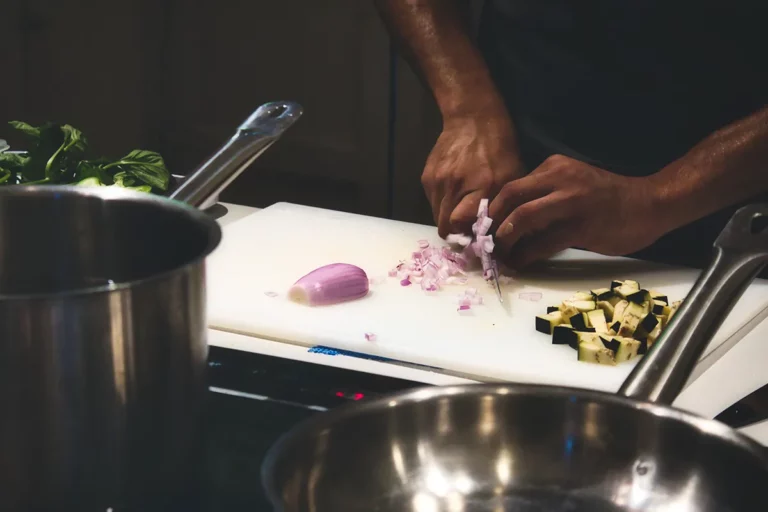
Because you’ll spend a great deal of time prepping food, it’s critical to invest in high-quality equipment in this category. Chopping lots of veggies? Don’t skimp on good knives. A solid set will last you longer and save you money in the long run versus opting for something cheap.
Most food truck owners will need the following food prep supplies:
- Stainless steel prep tables: Easy-to-sanitize surfaces that help expand your counter space and capacity for food prep
- Thermometers: Critical for ensuring your food is thoroughly cooked before serving to customers to avoid food poisoning
- Knives and a magnetic knife rack: Professional-grade knives and a magnetic storage rack make for more efficient, space-saving food prep
- Cutting boards: Prevent cross-contamination by designating separate cutting boards for meat, seafood, and produce
- Skillets, frying pans, and sauce pans: Essential for pan frying, sautéing, and boiling
- Blender and/or food processor: Make chopping, mincing, and combining ingredients easier and faster with these handy appliances
Hot & Cold Holding Equipment
Holding food products at safe temperatures is absolutely critical to preventing foodborne illnesses that can make customers sick. You may also be required by your local health department to have some of these items for that reason.
Hot Holding
- Countertop food warmer: A compact unit that keeps food at a safe temperature without continuing to cook it
- Warming drawers: Heated compartments built into your cabinets that keep things like buns or even complete dishes warm before serving
- Steam tables: Hot holding stations that keep moist foods like beans and rice warm without drying them out
- Fry dump station: Great for keeping a variety of fried foods warm after you pull them out of the fryer and wait to serve them
- Soup warmer/kettle: Keeps soup or other hot liquids warm until they’re ready to serve
Cold Holding
- Undercounter refrigerator: Space-saving fridge that keeps perishable ingredients cold without taking up too much real estate in your truck
- Prep table with refrigerated wells: Part prep table, part cold holder, this flat surface has chilled ingredient wells for safety and convenience
- Compact freezer: Stores frozen ingredients and items while easily fitting on top of or under a counter
- Commercial reach-in fridge: If you need more cold storage space, a full reach-in fridge might be more useful than a compact unit
- Countertop glass door refrigerator: Great for merchandising grab-and-go bottled or canned beverages for customers
Cleaning & Sanitizing
It’s easy to get caught up in thinking about what equipment you need to prep, cook, and safely hold your products, but don’t overlook sanitation gear. Your local health authorities may require you to have certain cleaning equipment on board, or else you may have to rent a commercial kitchen.
Expect to either have these items installed or available in your food truck, or have daily access to them via a commissary or kitchen rental:
- Three-compartment sink: A system for washing, rinsing, and sanitizing dishes, utensils, and cookware
- Hand-washing sink: Dedicated sink for washing hands to prevent cross-contamination
- Water heater: A compact heating unit that supplies hot water for washing dishes and hands
- Fresh water tank: A tank supplying clean water to sinks and food prep areas within your food truck
- Grey water tank: A wastewater holding tank that collects used water before it can be disposed of
- Sanitizing cleaners: Have food-safe cleaners on hand for prep surfaces and cooking tools, as well as stronger disinfecting products for deep cleaning other spaces (stored separately and far away from foods and ingredients)
- Mop sink: A designated sink for storing and cleaning mops and other cleaning tools
- Trash and recycling systems: Clearly marked waste containers to help maintain cleanliness and organization
Pro Tip: Failing to meet cleanliness and sanitation standards is a common reason food businesses are fined or temporarily shut down by health departments. Use our free health inspection checklist to make sure your food truck ticks all the boxes, and you pass your next inspection!
Food Storage & Organization
Staying organized is key to running your business efficiently and safely. If you don’t know where things are or don’t have designated spots for cookware and ingredients, there’s a higher chance of cross-contamination. Plus, you and your staff will waste precious time searching for things, leading to longer wait times (and it’s no secret customers hate those).
Every food truck should have the following equipment for proper food storage and organization:
- Shelving: Wall-mounted racks create vertical storage space for ingredients, cookware, and appliances
- Under-counter storage: Built-in cabinets or compartments help maximize storage space and keep limited walkways clear
- Dry storage bins: Sealed containers that keep pests and moisture away from bulk dry ingredients like flour and rice
- Drawer organizers: Compartmental inserts that keep utensils and other small tools organized
- Ingredient labeling system: Clear labels showing food contents and prep dates for better inventory management and food safety compliance (like this one from PrepWizard)
Power
It takes a lot of juice to power your food truck appliances, so you need the right equipment to keep them running smoothly.
Like your appliances, this is one of the pricier categories of commercial food truck equipment. However, it’s critical to invest in dependable power sources that can keep up with your truck’s energy needs.
Most food trucks need the following:
- Generator(s): A portable power source that supplies electricity to your appliances (and you may need more than one, depending on the size of your truck and the amount of energy it requires)
- Shore power hookup: An external electrical connection that plugs into a fixed power source at events or commissaries
- Propane tank(s): Fuel storage tanks that power gas appliances (note: your local health authority may have specific rules for how to store them safely)
- Electrical panel: Allows you to manage how power is routed throughout your food truck
- Breakers: Critical safety switches on your electrical panel that automatically cut power to prevent overloads and fires
Pro Tip: Stolen generators are one of the most common food truck insurance claims our policyholders experience and cost $2,155 on average. But did you know that mobile tools and equipment insurance can help cover those costs? It’s true — and it could end up saving you thousands.
Safety & Ventilation
Your local health and fire departments set safety equipment requirements for all food businesses to protect you and your customers. Skipping essential equipment can lead to fines or penalties, like temporary shutdowns.
While exact requirements vary from one state (or city) to another, here’s what most food truck owners can expect to need, no matter where they operate:
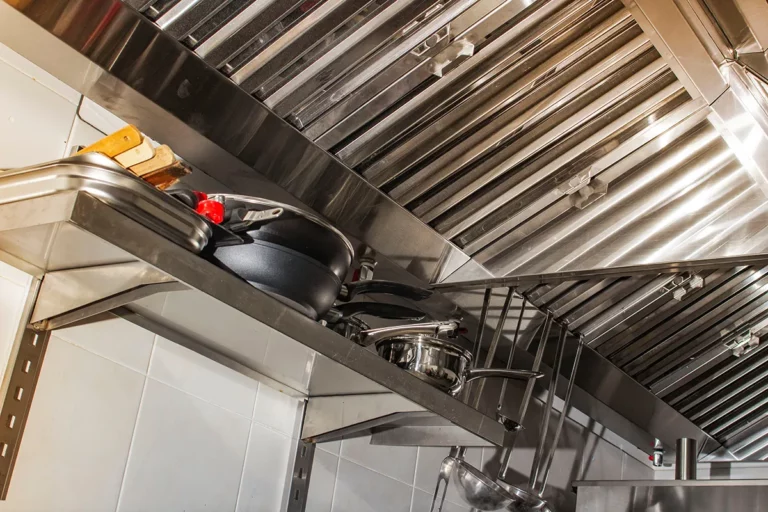
- Ventilation hood system: An overhead exhaust system that removes various vapors (e.g., smoke and grease) from inside your food truck
- Fire suppression system: An automatic safety system installed in the exhaust hood above your fryer, grill, or stove that detects and extinguishes fires in your food truck before they spread
- Carbon monoxide detector(s): Devices that monitor carbon monoxide levels from generators or fuel-burning equipment and alert you when they’re dangerous
- Fire extinguisher(s): Portable fire control devices that help put out small fires before they get worse (note: check with your local fire department to see which type(s) you need for your truck)
- HVAC or cooling fans: Air circulation systems that regulate the interior temperature of your food truck to prevent unsafe working conditions
Serving Supplies
These supplies may be small, but their impact on your food presentation and customer satisfaction can be huge. The last thing you want is to run out of trays and napkins during the lunch rush.
Make sure your food truck is always well-stocked with these items:
- Serving utensils: Includes ladles, tongs, and scoops used to serve food in consistent portions
- Paper cups: Perfect for serving hot or cold beverages
- Condiment pump dispensers: Portion-controlling pumps for dispensing sauces like ketchup and mustard
- Squeeze bottles: Refillable bottles that make it easy for customers to use and control the amount of sauces and dressings on their meal
- Shakers (salt, sugar, spices, etc.): Allows customers to season their food to their specific tastes
- Paper trays: Lightweight, disposable trays for serving a variety of foods
- Disposable dinnerware/to-go containers: Single-use packaging that keeps food secure and easy to transport once handed off to the customer
- Single-use utensils: Pre-packaged or bulk disposable forks, knives, and spoons
- Condiment cups: Small, disposable cups for the perfect condiment portion size
- Paper napkins and dispenser: Help customers keep their hands clean while enjoying your delicious food
- Order forms or guest checks: Printed slips for tracking customer orders and ensuring accuracy during busy periods
- Disposable gloves: Single-use gloves used during service to prevent cross-contamination and practice good hygiene
- Food wrap (aluminum or plastic): Handy for storing ingredients and preserving food freshness
Technology
Investing in the right tech helps your food truck keep up with consumer demands and stay organized. According to our 2026 Food & Beverage Industry Trends Report, 73.2% of customers prefer to pay with a credit card. This shows the cashless trend isn’t going away, and signals a need for card readers and electronic payment processors.
Some of the tech equipment you should have for your food truck includes:
- Point of sale (POS) system: A centralized system, such as Clover or Square, that processes orders and tracks sales
- Payment processor: A service that securely handles digital payments and deposits them into your business’ bank account, like Clover Payments or Square Payments
- Inventory management software: A program like Clover Inventory Management or MarketMan that tracks stock and ingredient levels to prevent shortages and reduce waste
- Sales reporting tools: Digital platforms that analyze your revenue, peak hours, and best-selling items to help you make informed business decisions moving forward, such as Clover Tracking & Reporting or Toast Reporting
- Scheduling software: A platform like Clover Employee Management or 7shifts that helps you assign shifts, track hours, and manage your labor expenses
Once your food truck is more established and you have more money and time to expand your tech, you might consider investing in these platforms:
- Customer loyalty systems: Digital programs that reward returning customers via points and/or promotions, such as Clover Customer Engagement or Toast Loyalty
- Social media scheduling tools: Platforms like Hootsuite or Buffer that plan and automate social media posts to help you maintain a consistent online presence
Protecting Your Food Truck Equipment and Business
Getting the best food truck equipment is a big investment. If that gear gets damaged in transit or stolen, replacing it is no small expense.
Having the right coverage for your gear can be the difference between shutting down temporarily because your generator was stolen and getting back on the road ASAP. Your insurance policy can cover some (or all) of the cost to replace it, turning a potential roadblock into a minor speed bump.
Learn more about how tools and equipment insurance can benefit your food truck operation, and how FLIP makes it easy to bundle with other necessary food truck insurance coverages.
Final Tips for First-Time Food Truck Owners
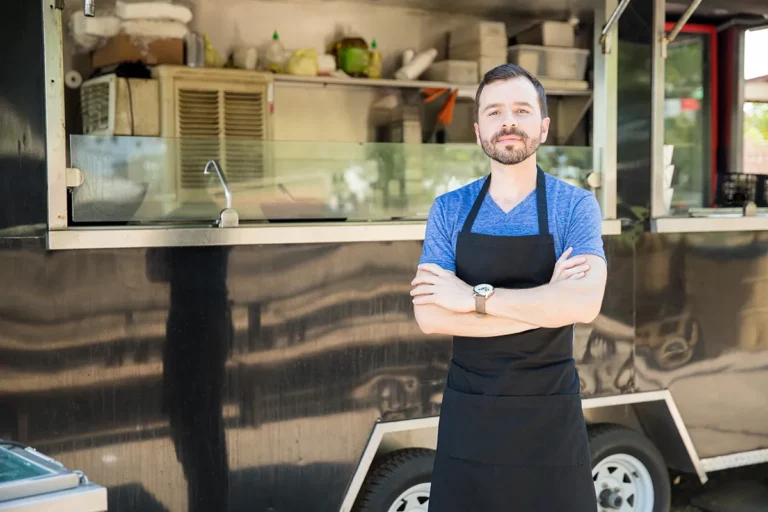
Knowing what food truck equipment you need is the first step, but it can still feel intimidating to invest in your gear. Keep the following tips in mind to help guide your decisions and make smart investments.
Determine Your Budget Before You Buy
Don’t make the mistake of going into your equipment-buying journey without a set budget in mind. It’s easy to get caught up in buying the best new gear, especially when monthly payments or other financing options make significant purchases feel more digestible.
Figure out what you can reasonably afford first, then start looking for equipment that doesn’t break the bank.
Look Into Leasing and Secondhand Gear
Speaking of taking your budget into consideration, leasing gear or buying secondhand is an excellent way to get your food truck up and running for less dough. Join local restaurant buy/sell/trade groups on Facebook or shop around on sites like Kitchen Equipment Trader or Machino’s used food truck equipment category for used gear.
Leasing is another popular option for new food truck owners because it allows you to test out various brands and gear without committing to ownership.
However, leasing equipment can become more expensive than owning it over time. When you own your gear, you pay it off eventually, but leasing will always cost money. Think of leasing as a short-term solution that can be most beneficial when you’re new to the food truck game.
Think Vertically, Not Horizontally
Unlike some traditional restaurant kitchens, you don’t have the luxury of space in a food truck. That can make outfitting your rig with essential equipment even harder, as you can run out of space much more quickly.
To help prevent this, always think about ways you can build up, rather than out. For example, get appliances that can live on your countertop versus taking up valuable floor space. Build shelves that span the full height of your truck’s interior to maximize storage area. Every surface should serve a purpose.
FAQs About Food Truck Equipment
How Much Does Food Truck Equipment Cost?
Upfront costs for food truck equipment typically range between $10,000–$50,000. This doesn’t include the cost of the truck itself, just equipment and gear like the ones covered in this article.
To keep costs lower, look for secondhand equipment on local buy/sell/trade Facebook groups.
What Supplies Do Food Trucks Use the Most?
Some of the most-used food truck supplies are consumables: the high-use, high-turnover stuff you’ll order again and again. That includes:
- Disposable serving supplies (to-go containers, paper trays, napkins)
- Food wrap and storage materials (aluminum foil, plastic wrap, parchment paper)
- Cleaning and sanitation supplies (paper towels, cleaners, trash bags)
- Condiments (dipping sauces, salt packets, sugar packets)
- Operational paper goods (receipt paper rolls, order tickets, ink cartridges)
- Fuel and utilities (propane, generator fuel, water)
Do I Need Insurance for Food Truck Equipment?
Yes! If your gear is damaged or stolen, it can bring your business operations to a screeching halt. Insurance can help cover the cost of repairing or replacing your equipment, making it easier for you to get production up and running more quickly rather than paying entirely out of pocket.
Learn more about mobile tools and equipment insurance for food trucks from FLIP.

Alex Hastings
Seattle-based copywriter and (WA) licensed insurance agent Alex Hastings leverages her experience as a lover of fast-casual food, baked goods, and iced oat milk lattes. She holds a B.A. in Creative Writing from Western Washington University. Before working at Veracity, she was a retail copywriter at Zulily and an English language teacher in South Korea. Alex is fully trained on FLIP insurance coverages and writes content that connects food and beverage business owners with the policies they need.
Seattle-based copywriter and (WA) licensed insurance agent Alex Hastings leverages her experience as a lover of fast-casual food, baked goods, and iced oat milk lattes. She holds a B.A. in Creative Writing from Western Washington University. Before working at Veracity, she was a retail copywriter at Zulily and an English language teacher in South Korea. Alex is fully trained on FLIP insurance coverages and writes content that connects food and beverage business owners with the policies they need.

Kyle Jude
Kyle Jude is the Program Manager for FLIP, where he helps develop and maintain liability coverage designed for mobile food vendors across the country. With 10+ years of experience in the insurance industry, he works closely with carriers, underwriters, and compliance teams to ensure coverage stays accurate, compliant, and responsive to the real-world risks of food businesses.
Kyle Jude is the Program Manager for FLIP, where he helps develop and maintain liability coverage designed for mobile food vendors across the country. With 10+ years of experience in the insurance industry, he works closely with carriers, underwriters, and compliance teams to ensure coverage stays accurate, compliant, and responsive to the real-world risks of food businesses.