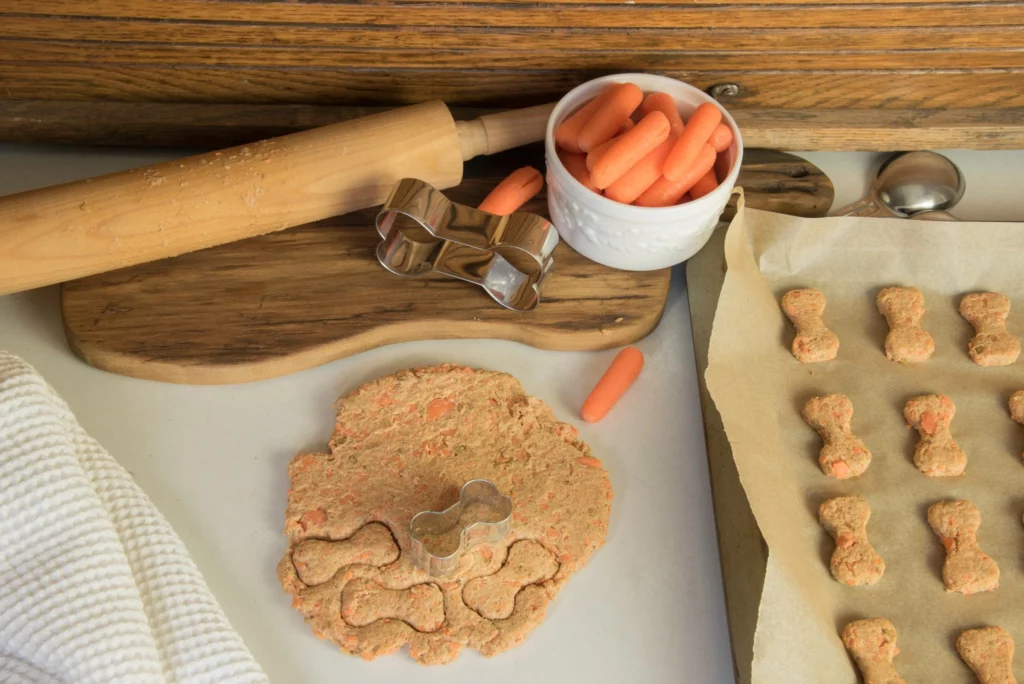
Starting a pet food business takes more than a drool-worthy recipe. Once you have a tasty treat in mind, you need to follow pet food regulations, set up and insure your business, research your market, and plan your costs, pricing, and sales.
Go from first batch to first sale with this guide to launching a pet food business, plus a free business plan template to map out the key costs, requirements, and decisions.
🐾 What Do I Need to Start a Pet Food Business?
Here are the nine key areas to work through for a new pet food business:
- Choose your products: Decide whether you’ll sell pet food, treats, or both
- Research the rules: Check federal, state, and local requirements
- Set up your business: Choose a structure, register your business, and organize your finances.
- Get pet food business insurance: Find coverage that fits how and where you operate
- Research your market: Identify your customers, competitors, demand, and niche
- Calculate startup costs: Budget for equipment, ingredients, testing, licensing, pet food business insurance, and marketing
- Set your prices: Factor in manufacturing costs, labor, and your profit goals
- Plan how you’ll sell: Choose your sales channels and marketing tactics
- Create your business plan: Use FLIP’s free template to pull it all together
Download Your Free Pet Food Business Plan Template
Need a place to track everything you need to get started? Use FLIP’s free pet food business plan template to plan your products, costs, and startup requirements in one place.
What Type of Pet Food Business Do You Want to Start?
Your production method, products, and location can affect the startup costs and rules for legally starting a pet food business. Home-based operations are generally lower-cost and have fewer (but still mandatory) requirements than pet food manufacturers.
| What to Consider | Home-Based Pet Treat Business | Pet Food Manufacturer |
|---|---|---|
|
Typical Products |
Small-batch dog or cat treats, including specialty items like baked goods and chews |
Larger-scale food, treats, and packaged products |
|
Production |
At home or a small commercial kitchen space (depends on state requirements)
|
Commercial manufacturing facility |
|
Regulations |
Federal + state/local requirements may apply |
Federal + state/local requirements, plus additional manufacturing requirements may apply |
|
Product Development |
Often simpler recipes and smaller product lines (maybe two to three treats to start) |
Involves more complex formulation, testing, quality control, and production processes |
|
Where You Sell |
Farmers markets, local pet boutiques, online |
Wholesale retailers, distributors, online |
|
Insurance Requirements |
Food manufacturers insurance (along with other coverages, like workers compensation and commercial property) |
|
|
Best For |
Entrepreneurs starting small, testing demand, or selling homemade pet treats on a limited scale
|
Businesses planning to produce at higher volumes, distribute widely, or scale into retail and wholesale channels
|
Starting small with a home-based pet treat business is an easier, more cost-effective way to enter the industry. Since treats don’t have to be as nutritionally complete as pet food, there are fewer (yet still mandatory) rules for pet treat businesses.
What Does It Take to Start a Pet Food or Treat Business at Home?
Starting a pet food business involves more than mixing up a recipe and finding a few loyal customers. Requirements can change based on what you make, where you make it, and how you sell it.
The exact order of steps may vary, but these are the main areas pet food businesses need to work through before they can start selling:
1. Decide What Pet Food Products You’ll Sell
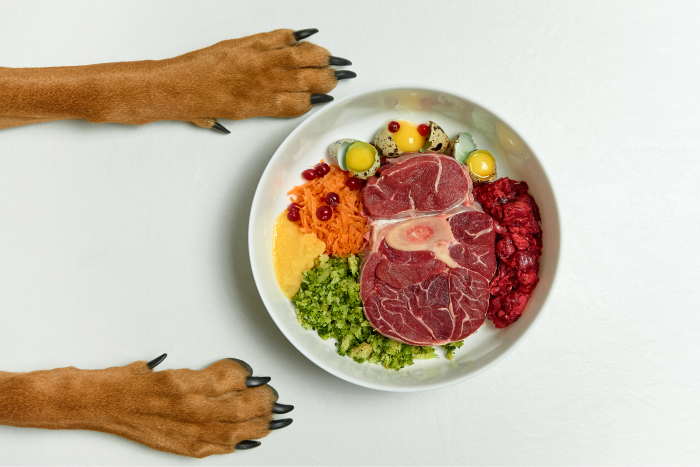
What you sell affects everything from your production setup and target customer base to the regulations you need to follow. Ask yourself:
- Will my products be for dogs only or cats, too?
- Will I sell pet food, treats, or both?
- What type of products will I make? (e.g., baked treats, homemade kibble, dehydrated chews)
- How many products can I reasonably produce?
- Do I want to cater to specific needs, like life stages or food sensitivities?
- Can I provide specialty services, like customized recipes or pupcakes?
- What types of packaging will I need? (e.g., paper pouches, vacuum-sealed bags, etc.)
Each product requires careful formulation, labeling, and state inspection. Pet food faces strict requirements to ensure it’s nutritionally complete. Get help from a board-certified veterinary nutritionist or animal nutritionist to create a balanced formula, or consider the more beginner-friendly route of starting a pet treat business.
2. Research the Rules for Making & Selling Pet Food
You cannot make and sell homemade pet food without meeting federal, state, and local requirements.
Just like human-grade products, pet food is highly regulated for safety and sanitation. Before you start selling, you need to know and comply with pet food laws about production, safety, labeling, and ingredient use.
The U.S. Food and Drug Administration (FDA) regulates pet food production and sales, including the ingredients you use. Federal regulations focus on preventing foodborne illness through facility inspections and food regulation.
Pet food businesses must register with and meet the FDA’s pet food requirements, which include:
- Submitting paperwork to register as a food facility (if you’re not an in-home business or your state requires it)
- Complying with pet food safety regulations
- Using approved ingredients that are clearly labeled and Generally Recognized as Safe (GRAS) for pets
- Notifying the FDA about potential contamination or harm caused by your pet food products
- Following state and local guidance for business registration, animal food licensing, and approved facility use
- Complying with any additional rules that apply to certain processing methods, like canned wet food or the use of imported ingredients
The Association of American Feed Control Officials (AAFCO) develops regulations and standards for ingredients, labeling, nutrition, and other aspects of pet food. Most state and local governments model their laws after these regulations, so they’re a helpful resource if you need guidance.
The AAFCO recommends that new pet food business owners buy a copy of the AAFCO Official Publication for information on getting started, which ingredients to use, labeling guidelines, and how to find their state’s registration and licensing requirements.
States typically base their animal feed laws on the AAFCO’s model regulations and enforce them through their own Department of Agriculture.
Pet food requirements can vary by state. Use the Association of Food and Drug Officials (AFDO) state directory to check your local requirements on:
- Product registration
- Business licensing and permits
- Labeling requirements
- Testing and inspections
- Facility approval
- Where and how products can be sold
Most states require pet food nutrition labels to include a guaranteed analysis showing the product meets the required percentages for protein, fat, fiber, and moisture.
To get a guaranteed analysis done, send each recipe to a certified pet food testing and compliance lab. The lab can test your recipe and provide the percentages to include on your label. Additional labeling rules may apply depending on your state and product.
3. Set Up Your Pet Food Business Legally
In addition to the regulatory requirements for pet food businesses, you also need to manage the operational side of things. This includes a few essential steps:
- Choose a business name: Pick a pet food business name that speaks to your brand or pet audience
- Choose a business structure: Your business structure (like an LLC) determines factors like legal liability and tax filing
- Register your business: The guidelines for registering your business and getting the correct licenses or permits vary by state, so check with your local agency
- Apply for an EIN: An Employer Identification Number (EIN) is required for tax purposes, and if you hire employees later
- Open a business bank account: Essential for separating your business and personal finances, making it easier to file taxes and track profits
4. Secure Pet Food Business Insurance
Before you set up shop and start selling your homemade dog food or treats, protect yourself and your business with pet bakery insurance. Operating a pet food business can be risky. Even when you follow all the regulations and best practices, accidents can happen.
Here’s how having the right business and food liability insurance can help protect you from common claims:
← Swipe left or right to view full table →
| Coverage Type | What It Helps Cover | Real-World Example |
|---|---|---|
|
Third-party injuries or property damage caused by your business operations |
While preparing a bulk food order in a rented kitchen space, your mixer tips over and cracks the countertop |
|
|
Claims that your pet food or treats caused illness, injury, or property damage |
A customer’s pet becomes ill after eating your food due to a mislabeled ingredient and is rushed to the vet |
|
|
Tools and equipment (inland marine)* |
Sudden damage or theft of mobile business equipment, supplies, or property |
During an outdoor farmers market, a sudden storm wrecks all of your displays and inventory |
*Tools and equipment insurance is available as an add-on to your pet food business insurance policy
Your coverage can be a financial safety net, helping cover claims costs like medical bills, repairs, and legal fees. FLIP’s pet food business insurance includes general and product liability coverage starting at $25.92 a month, plus options to customize your coverage as you grow.
🏠 Does My Homeowners Insurance Cover My Pet Food Business?
Homeowners insurance policies typically do not cover home-based pet food businesses. If you’re starting a pet food business out of your home, you’ll need business insurance to help protect against claims related to your business.
5. Find Your Niche With Market Research
Finding customers for your pet food business relies on good market research. Talk with fellow pet owners in person and online about what they buy and review similar pet food businesses to see where you fit in (and stand out).
As you research your market, look into:
- Local customer base: Are there plenty of pet-owning households in your area?
- Customer demand: Is there enough interest in the type of pet food or treats you want to sell?
- Your target customer: Who are you trying to reach, what kinds of pets do they have, and what matters most to them when choosing pet food?
- Spending habits: What is the average income in your sales area, and how much are customers willing to spend on products like yours?
- Your competition: Are there other pet food businesses or pet bakeries in your area, and what do they charge?
- Your differentiators: What makes your pet food stand out, such as small-batch production, affordability, or another clear benefit?
Pet owners are specific about the food or treats they buy. Whether it’s a grain-free kibble alternative or a low-cost training treat, think about what your target customer needs and values most. These factors will help guide your product, pricing, and marketing decisions later on.

6. Calculate Your Pet Food Business Startup Costs
The average startup costs for a pet food business are $10,000 to $25,000, but you can launch yours for less depending on your product, production method, and where you live.
Startup costs are relatively low for home-based pet food manufacturers, especially if you start small with pet treats. Budget for the following categories:
- Equipment (what you need to make and store the product)
- Product testing and regulation (including lab fees per recipe)
- Licensing and registration (federal and state)
- Ingredients
- Packaging materials
- Pet food business insurance (save more when you pay annually)
- Marketing (website, business cards, event booth fees, etc.)
💰 How Startup Costs Vary by Pet Food Business Type
Starting a dog treat business at home can cost $600 to $15,000, compared with $18,500 to $105,000 for a raw pet food business. Starting small helps you manage upfront costs, test demand, and build revenue before investing in a larger operation.
7. Price Your Pet Food Products
A solid pricing strategy helps you determine what to charge for a bag of homemade pet food that’s fair to both you and your customers. Pet food is often priced per pound to account for breed size and bulk manufacturing, while pet treats are easier to price by the package.
See our guide to food pricing strategies to learn what goes into your price, including:
- Ingredients
- Packaging
- Operating costs (equipment, facility rent, licenses, utilities)
- Labor (how much you pay yourself per hour)
- Menu variety (special dietary options, customization, life stage formulas)
With supply costs and other expenses constantly changing, reevaluate your pricing strategy every 6 to 12 months to ensure you’re making a profit.
8. Plan How You’ll Market & Sell Your Products
Pet owners care deeply about what they feed their four-legged family members. Marketing a homemade pet food or treat business takes a lot of trust-building through methods like the following:
- Sell at local events: Sign up to become a vendor at a farmers market, pet adoption event, or other local festival where you can connect with pet owners and sell your products
- Connect with pet businesses: Pitch your product to independent pet supply stores, or reach out to local trainers, vet offices, or pet daycares to see if they could use your product
- Offer free samples: Give pet owners and businesses a chance to try your product before buying, helping you introduce your brand, gather feedback, and foster trust face-to-face
- Create a website: A website is an essential touchpoint for your customers, providing contact information, product menus, and testimonials
- Use social media: Promote your business and engage with customers by sharing unique content, posting reels of pets enjoying your food, or participating in trends
- Ask for reviews: Word-of-mouth marketing and pet owner reviews are strong trust-building tactics you can use on your website, packaging, and other materials
9. Use FLIP’s Template to Create a Pet Food Business Plan
Having a business plan sets you up for success by organizing your research and outlining the most important details in one place.
Download FLIP’s free pet food business plan template and fill out the key elements:
- Executive summary
- Company description
- Products
- Market research
- Marketing strategy
- Financial projections and costs
- Licenses, registration, and proof of insurance
Part of creating a business plan is figuring out what’s missing, so it’s okay if you need to make changes or fill in sections later. Use the template to gather what you’ve learned, identify your next steps, and build a clear path for starting your pet food business.
Is Starting a Homemade Dog Food Business Right for You?
Starting a pet food business takes planning, from meeting federal and state requirements to finding the right customers. Starting small with pet treats from home can be a more budget-friendly way to test your idea, build your customer base, and grow into a business that keeps tails wagging.
FAQs About How to Start a Pet Food Business
In most states, yes. You may need a state license, product registration, or both to legally sell homemade dog food or treats. Most states regulate pet food through their agriculture or feed-control agencies. Home-based businesses may be exempt from FDA food-facility registration, but they must still comply with applicable federal labeling, ingredient, and safety rules.
No. The FDA does not review or approve dog treats for sale. However, the FDA sets federal regulations that dog treat businesses must follow, like registering as an animal food facility, following truthful labeling rules, and using pet-safe ingredients.
In many states, yes. You may need a state feed license, product registration, a local vendor’s permit, or a combination of these to sell homemade dog treats. Requirements vary by state, and most states regulate pet treats as animal feed. You may also need to meet local business, zoning, or sales requirements where you operate.
Starting a pet food business can cost from several hundred dollars to more than $100,000, depending on your products, production setup, location, and scale. Pet treat businesses have lower startup costs, especially if you’re operating out of your home, compared to pet food manufacturers in commercial facilities.
Pet food labels must meet federal and state requirements for product identity, ingredients, quantity, and the manufacturer or distributor. Many states base their labeling rules on AAFCO model regulations, which address guaranteed analysis, nutritional adequacy, calorie content, and other details. Check the rules for every state where you plan to sell.

Katie Monsewicz
Ohio-based copywriter and licensed insurance agent, Katie Monsewicz leverages her experience working in the food industry with her writing skills to help entrepreneurs achieve their business goals. She holds a bachelor's degree in journalism from Kent State University. Before working for FLIP, she wrote for multiple home, health, and retail brands and currently helps run her family's century-old bakery business. Read Katie's full bio.
Ohio-based copywriter and licensed insurance agent, Katie Monsewicz leverages her experience working in the food industry with her writing skills to help entrepreneurs achieve their business goals. She holds a bachelor's degree in journalism from Kent State University. Before working for FLIP, she wrote for multiple home, health, and retail brands and currently helps run her family's century-old bakery business. Read Katie's full bio.