
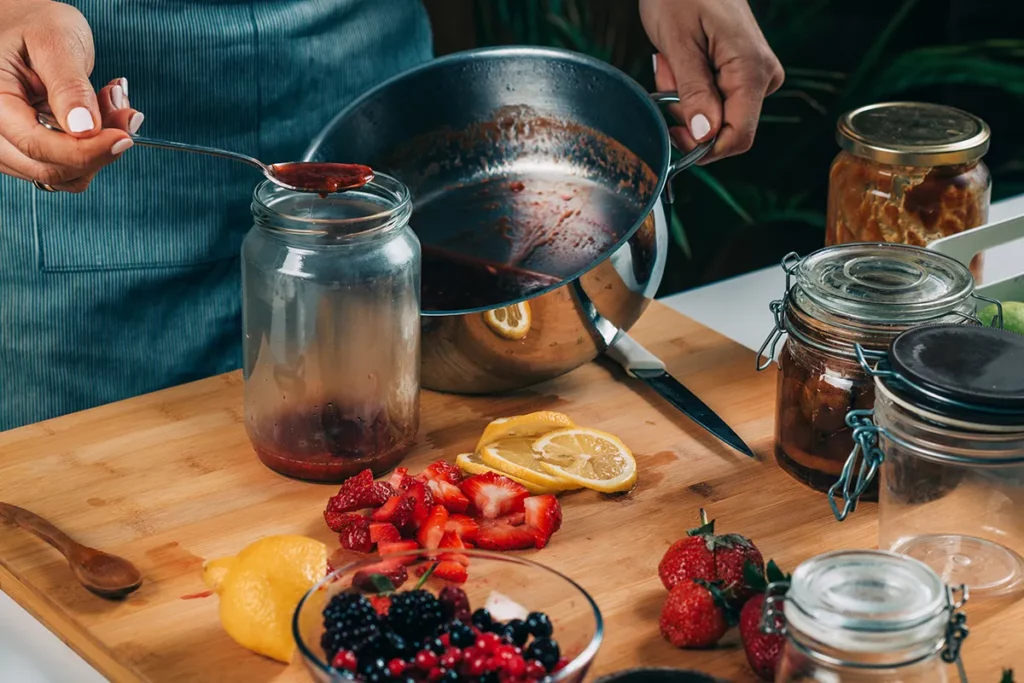
Wondering how to start a small food business at home? You can start a food business from home, but you first need to check your state’s cottage food laws. Once you understand your local rules for what, where, and how you can sell home-cooked food, you can move forward with setting up your business, marketing it, and protecting yourself with insurance.
Starting a food business from home is the ultimate work-from-home setup for culinary pros. But getting it right means understanding the legal requirements first. Our step-by-step guide walks you through food laws and startup basics so you can launch confidently.
Complete these 10 steps to start your home-based food business properly, so the only reactions you get are oohs and ahhs over your product — not concerns about missed legal compliance.
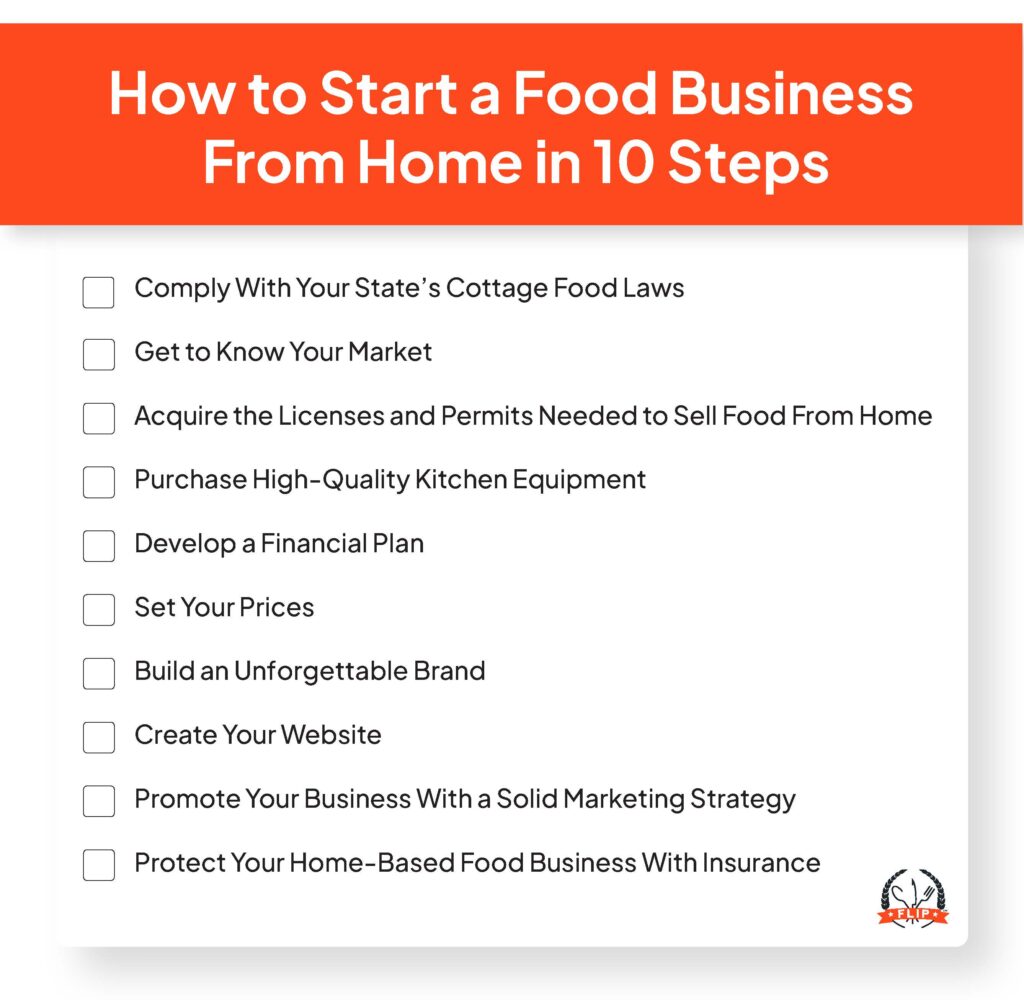
1. Comply With Your State’s Cottage Food Laws
The crucial first step in starting a home food business is to research and understand your state’s cottage food laws. These rules determine:
- Which foods you can legally sell
- Where you can sell your products
- Whether there is an annual sales limit
- How you must label your products
Search for your state’s official Department of Agriculture website to find your specific local rules. Cottage food laws vary by state, and some are stricter than others. That’s why it’s imperative you know what rules apply to your business — much of your requirements are based on where you live and cook your food.
For example, Wyoming is considered one of the least restrictive “Food Freedom” states, allowing the widest variety of foods to be sold and capping sales at $250,000. On the other hand, Delaware is stricter with an extensive application process and an annual sales limit of $25,000.
What foods can I sell from home?
The foods you can legally sell from home depend on your state’s cottage food laws. Typically, shelf-stable foods made in home kitchens are approved, for example:
- Jams
- Candies
- Nuts or trail mix
- Baked goods that don’t require refrigeration
Always research your state’s cottage food laws for an official list of what you can and can’t sell from home, whether as a side hustle or as your main income source.
2. Get to Know Your Market
Research your local competitors and target customers to identify how your home food business can stand out in the market.
Study Your Competitors
Scope out other food businesses in your area and note:
- What they sell
- How they price their products
- Their branding and positioning
- What customers say about them
- How they promote themselves
- What makes them different
By getting to know your competition, you can spot gaps in the market and position your business to offer something new or unique from the start.
Understand Your Target Customers
Your ideal customer influences everything from your menu to promotion. You should know the following about who you want to sell to:
- Demographics: Age, income, location, and lifestyle
- Buying habits: Price sensitivity, frequency of purchase, and preference for local products
- Needs and preferences: What they’re looking for and what problems your food solves for them
The clearer you are on your ideal customer, the easier it is to create products people want to buy.

3. Obtain the Licenses and Permits Needed to Sell Food From Home
The next step in understanding how to start selling food from home is to obtain the necessary licenses and permits.
The licenses and permits you need depend on where you live and what you sell. For example, the requirements for a home-based bakery may differ from those required for a caterer.
Most home food businesses require some combination of the following:
License/Permit | What It’s For | When You Might Need It |
Cottage Food License | Allows you to legally sell certain foods from home | Required in many states for home-based food sales |
Business License | Registers your business with the state or city | Common for most small businesses |
DBA (Doing Business As) | Lets you operate under a business name | If you’re not using your legal name as your business name |
Food Handler’s Permit | Shows you understand food safety basics | Often required for food preparation |
Health Department Permit | Confirms your home kitchen meets safety standards | May be required depending on your state |
Home Occupation Permit | Allows you to run a business from your home | Required in some local jurisdictions |
Sales Tax Permit | Lets you collect and remit sales tax | If your state taxes your products |
Fire Department Permit | Evaluates your home kitchen to ensure it’s fire-safe | If your local fire department requires fire safety inspections |
Do I need a license to sell food from home?
Whether you need a license for your home food business depends on your state’s laws, but generally, you need a cottage food license and a business license, at a minimum.
4. Purchase High-Quality Kitchen Equipment
Turning your culinary passion into a home business means upgrading your kitchen gear! The volume of food you produce is about to increase, and you need equipment that can handle that level of production.
The equipment you need will vary depending on your business type and the kind of food or beverage you make, but you can count on needing most of these items.
Kitchen Appliances
- Oven and/or stovetop (possibly commercial-grade)
- Refrigerator and freezer (possibly commercial-grade)
- Microwave
- Food processor
- Stand mixer
- Dishwasher
Food Prep Essentials
- High-quality knives
- Cutting boards
- Measuring cups/spoons
- Spatulas
- Whisks
- Tongs
- Mixing bowls
- Baking sheets/trays
- Timers
- Thermometers
Storage
- Food-safe containers with airtight lids
- Storage racks
- Shelving units
Packaging
- Vacuum sealer
- Boxes/bags
- Tamper-evident seals
- Sealable food containers
- Labels/label printer (especially if your state has specific labeling requirements)
Sanitization and Safety
- Sanitizing wipes
- Food-safe disinfectant sprays
- Dish soap
- Designated handwashing station (required in some states)
- Fire extinguisher
- First aid kit
- Personal Protective Equipment (PPE)
Whether you’re running a successful home bakery business or experimenting with signature granola mixes, tailor your equipment list based on the specific products you plan to sell.
Do I need a commercial kitchen to start a home food business?
No, a commercial kitchen isn’t necessary to start a home food business! However, if your state doesn’t allow you to sell food from your residential kitchen (say yours doesn’t meet requirements), consider renting a commercial kitchen instead. You get access to commercial-grade appliances and more space to handle higher production volumes.

5. Develop a Financial Plan
Create a financial plan to clarify your upfront and ongoing costs. Begin by estimating your startup expenses.
Most home food businesses need to budget for:
- Ingredients and supplies
- Packaging/labeling supplies
- Kitchen equipment or upgrades
- Licenses and permits
- Cleaning supplies
- Utilities
- Taxes
- Accounting and inventory software
- Marketing (website, business cards, paid advertising)
- Home-based food business insurance
- Commercial kitchen rent (if required)
How to Fund Your Business
Once you have a general cost estimate, determine how you’ll fund your business. It’s easier to start small and grow over time.
Common funding options include:
- Personal savings: Starting your business with your own money means you won’t accrue debt or owe interest, but many entrepreneurs can’t finance their business through personal savings alone
- Support from friends: You may receive financial help from loved ones, but be sure to put the terms of the investment into a written legal contract to avoid conflicts later
- Small Business Association (SBA) loans: Look into the SBA for financial assistance, including microloans (up to $50,000) with structured repayment plans
- Bank loans: Bank or credit union loans may offer access to larger amounts of money, but often require a good credit score and collateral
- Grants: A more competitive option through the SBA or state and local governments to consider, but you don’t have to worry about repayment
- Crowdfunding: Platforms like Kickstarter or Indiegogo can help validate your business’ demand while raising funds
6. Set Your Prices
Many new food business owners make the mistake of copying competitor prices, but that’s a recipe for disaster (think underpricing and lost income).
Instead, your prices should be based on your actual costs and the profit you want to make.
Step 1: Calculate Your Costs Per Item
Start by figuring out what it costs you to make each product.
- Ingredients: Add up the cost of what goes into each item
- Labor: Estimate what your time is worth per hour
- Overhead: Include expenses like permits, packaging, rent, and insurance (these can change every month)
For example, say you’re starting a home cake business, and one cake costs $10 in ingredients, $20 in labor, and $8 in overhead, so your total cost is $38 per unit.
Step 2: Add a Markup for Profit
Once you know your cost per item (also called your cost of goods sold, or COGS), add a markup to make a profit.
Your final price should cover your costs and leave room for profit and growth.
Step 3: Sense-Check Your Pricing
Before finalizing your prices:
- Compare them to similar products in your area
- Make sure your pricing reflects your quality and brand
- Adjust if needed, but avoid pricing below your costs
Simple Pricing Formula
(Ingredients + Labor + Overhead) + Profit = Final Price
Choose a Pricing Strategy to Set Your Markup
Finding the right pricing strategy will likely take some testing and adjusting, especially as your business grows. Check out some of the most popular pricing strategies food businesses use to get some ideas for setting your products’ price tags.
7. Build an Unforgettable Brand
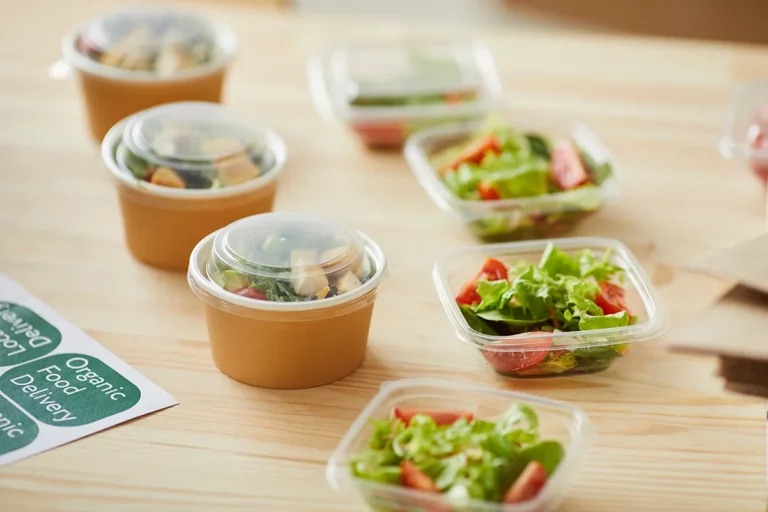
Whether you want to start a home-based baking business or sell pre-made meals out of your kitchen, branding your business is key to its success. Just like flavors are at the heart of your products, your brand acts as the special sauce that sets your business apart from the rest.
Your Core Values and Mission
Tell the story of why you cook and what your business believes in through your core values and mission statement. For example, maybe you started a meal kit company to help people reach their nutritional goals despite their busy schedules.
The clearer your core values and mission statement, the easier it is for the right customers to connect with and support your business.
Mission Statement and Core Values Example
Our mission is to craft small-batch jams that capture the true flavor of each season, turning ripe ingredients into spreads that add sweetness to everyday moments. Our core values: real fruit for real flavor, small-batch craftsmanship, and seasonal, local-first sourcing.
Your Business Name
Decide on your business name. A strong, effective name helps to:
- Reflect your business’ core values and mission statement
- Hooks your customers and gives them an idea of how unique your business is
- Incorporates search-friendly words that make it easy to find on search engines.
Need ideas? Explore personal chef business names and name ideas for your cake business to get inspired.
Your Logo and Colors
Design a business logo and color palette that makes an impactful visual statement. These elements are most successful when they are:
- Simple: Make it easy to remember and scale across multiple media types
- Unique: Stand out with a recognizable, one-of-a-kind design
- Timeless: Avoid graphic design trends that may go out of style quickly
- Narrative: Evoke emotion and tell the story of your home food business
- Cohesive: Consider color psychology when choosing and applying your food business’ colors consistently in your marketing materials
Hiring a graphic designer is the best way to get a professional logo that checks all of these boxes, but a budget-friendly option is to make one yourself in Canva.
8. Create Your Website
Your website is your business hub online, so it must be both beautiful and functional. Here are some options for creating your website:
- Build a simple site yourself using AI-assisted platforms like Wix or GoDaddy
- Hire a freelance professional web designer on a site like Fiverr
- Start with an online marketplace page if that fits your business
Ensure your home food business website includes:
- Clear navigation: It should be effortless for customers to find your menu, pricing, and ordering information
- Updated information: Include your contact information, social media handles, a short bio, high-quality photos, and your menu or services
- Mobile-friendly design: Most customers will visit your site from their phone, so make it easy to use on a small screen
- Consistent branding: Incorporate your logo and brand colors tastefully throughout your site
- Search engine optimization (SEO): Add search-friendly keywords (use a keyword tool for research) to help search engines serve your website to your online customers
Can I sell cottage food online across state lines?
Typically, no, you cannot sell cottage food across state lines — but check your state’s cottage laws for the exact regulations! Even with an online cottage food store, you may be limited to in-state pickups and deliveries only.

9. Promote Your Business With a Solid Marketing Strategy
Now it’s time to share your exciting launch with the world. Promote your home-based business by focusing on a few channels that fit your business and meet your customers where they already spend time.
Best Marketing Channels for Home-Based Food Businesses
Channel | Why It Works | How to Get Started |
Social Media (Instagram, Facebook, TikTok, and Pinterest) | Highly visual and perfect for showcasing food | Post photos and videos, share behind-the-scenes content, and engage with followers |
Word-of-mouth and Referrals | Builds trust quickly through personal recommendations | Offer referral discounts and encourage happy customers to share |
Online reviews | Helps new customers feel confident buying from you | Ask customers to leave reviews on Google or Yelp |
Local promotion | Reaches nearby customers in your community | Use stickers, flyers, business cards, or local bulletin boards |
Choose marketing channels that match how you’re allowed to sell your products (for example, local pickup versus online orders). As your business grows, you can expand your marketing efforts, but thoughtful, consistent promotion matters more than trying to do everything at once.
Pro Tip
Channel your passion for cooking into your marketing efforts! Your new business needs visibility, especially when you’re starting out. For more, explore tips on how to promote your food business on Instagram or home bakery ideas to get noticed.
10. Protect Your Home-Based Food Business With Insurance
Protecting your home food business with the right coverage is essential. Every food business, even if it’s based at home or on a smaller scale, needs liability insurance because claims can start from anywhere!
For your home food business, risk can look like:
- A customer slipping on the icy staircase leading up to your home as they arrive to pick up an order and suing you for their injuries
- One of your customers eats some of your chocolate chip cookies, has an allergic reaction because they contain nuts, and sues you over their medical costs
- You accidentally cause a grease fire at the commercial kitchen you rent, and they hold you responsible for paying for repairs
Home food business insurance is a financial safety net designed to safeguard your new venture from claims like customer injuries, property damage, or product-related issues. With coverage in place, you’re free to cook up and sell your food with confidence.
Do I Need Insurance to Sell Cottage Food?
Yes! You need cottage food insurance to protect yourself from liability claims, such as allergic reactions, contamination, or other damages that your business may face once you begin selling to the public.
Potential Pitfalls to Watch Out For When Starting a Home Food Business
Your products are perfected, you’ve confirmed demand, and you’re ready to go live — finally starting your food business from home is exciting! Make sure you’ve addressed these common challenges before you officially open up shop.
- Local restrictions: Make sure your business is compliant with cottage food laws, because these affect approved foods, sales channels, and volume
- Low profit margins: Stay profitable by carefully calculating ingredient costs, packaging, and time spent cooking
- Food safety risks: Improper handling or labeling errors can lead to serious issues for customers and your business, so always maintain strict food safety practices
- Understanding liability: Even small home-based businesses can face lawsuits related to food safety, injuries, or property damage — carry liability insurance to help protect against paying out of pocket for claims
FLIP offers affordable, top-rated home food business insurance so you can safeguard your business without going over budget. Get a free quote in about 10 minutes online!

FAQs About Starting a Food Business From Home
The best option for your home food business depends on your local laws and budget. Many people start with baked goods, jams, or other shelf-stable foods, since these are commonly allowed under cottage food laws and have lower startup costs.
Other options include meal prep services, which can offer recurring income but may require additional permits, and teaching cooking classes, which can be a flexible, lower-risk way to earn income, especially if offered online.
Check the cottage food law in your state to see if you are allowed to sell home-cooked meals, or you could face a hefty fine. Many states do not allow hot or perishable meals made at home. Always check your local regulations before selling.
In many cases, yes, you can sell food from home, but you need to follow your state’s cottage food laws and local regulations. These rules determine what you can sell, where you can sell it, and what permits or licenses you need.
A good home-based food business plan has the following sections:
- Executive summary: A quick, exciting overview of your business
- Company description: A more in-depth look at your business, including what your long-term goals are
- Market analysis: An examination of your competitors, customers, and the market in which your business operates
- Loans and financing: An explanation of how you are financing your business, including how much money you still need to obtain, where you plan to get it, and how you will spend it
- Operation costs and financial projections: A detailed summary of your expenses and revenue (current and projected)
- Certificate of Insurance (COI): Proof that your business is properly insured and protected against common liability risks

Julis Navarro
Copywriter Julis Navarro is a licensed insurance agent in the state of Washington. Fully trained on FLIP's coverage offerings, Julis combines her background in the food service industry with her insurance expertise to help food and beverage business owners confidently protect what they've built. She holds a bachelor's degree in journalism from Pepperdine University and previously worked as a retail editorial copywriter for Zulily. Outside of work, you can find Julis reading, writing creatively, or searching for the best local strawberry matcha latte. Read Julis' full bio.
Copywriter Julis Navarro is a licensed insurance agent in the state of Washington. Fully trained on FLIP's coverage offerings, Julis combines her background in the food service industry with her insurance expertise to help food and beverage business owners confidently protect what they've built. She holds a bachelor's degree in journalism from Pepperdine University and previously worked as a retail editorial copywriter for Zulily. Outside of work, you can find Julis reading, writing creatively, or searching for the best local strawberry matcha latte. Read Julis' full bio.